 Menu
Menu 


WHAT’S NEW
AT SCHWENK
Bridge over the Blau river at SCHWENK headquarters in Ulm – naturally using CEM II/B-M cement
At the SCHWENK headquarters in Ulm, it had become necessary to replace the bridge over the “Große Blau.” The old structure over the Danube tributary was already over 100 years old and was replaced by a new construction.
The bridge has a length of just over 10 m and a width of 4.50 m, providing access from Blumenscheinweg to the SCHWENK premises from the rear. During construction, the Blau was diverted. Since a turbine for power generation is also located upstream of the bridge, the construction work was intended to be carried out as quickly as possible. To save time, the superstructure was completed using a precast element with a corresponding in-situ concrete topping.
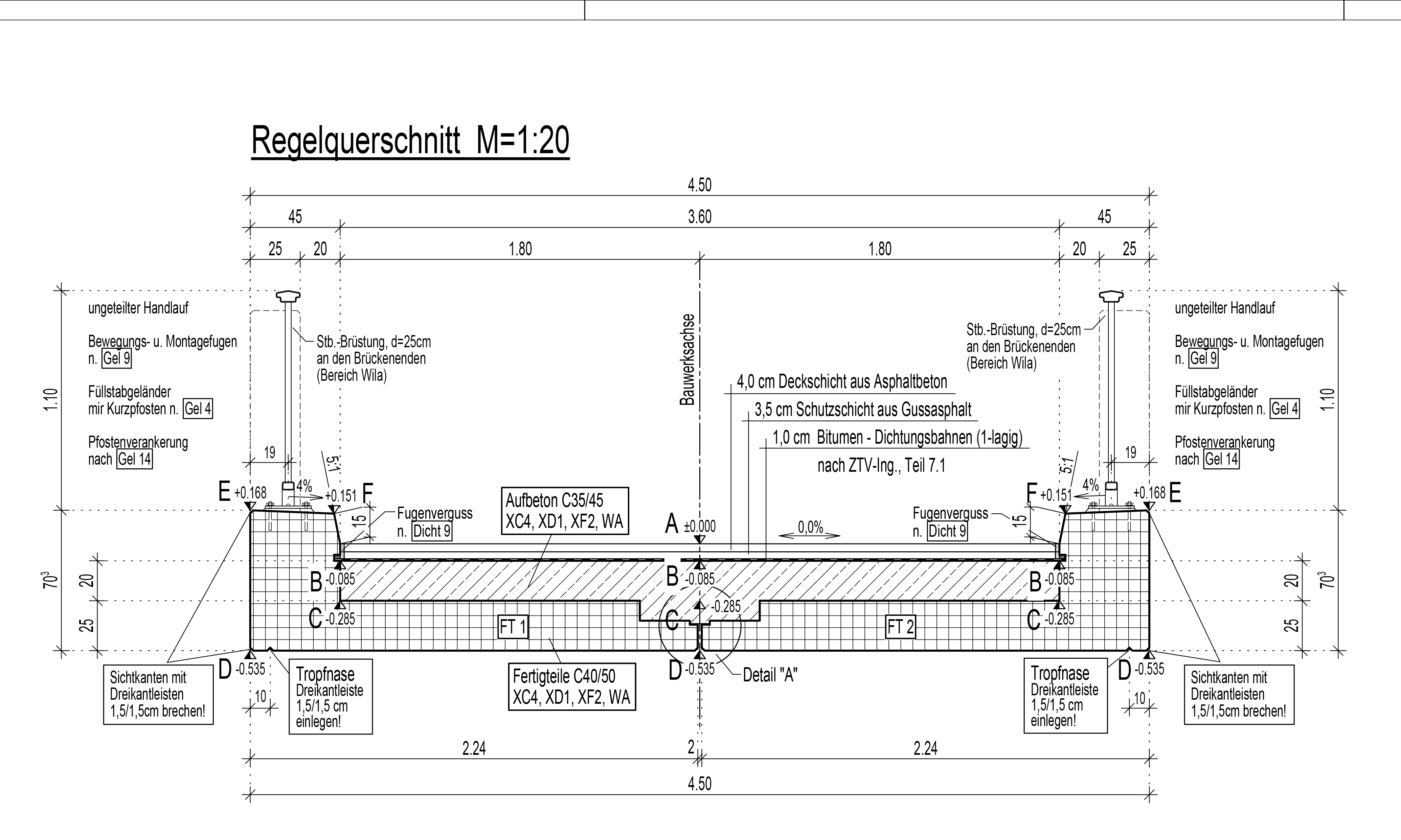
Image 1: Standard cross-section of the bridge (Source: Engineering office Wall+Baur, Biberach)
Construction work took place from May to August 2023. Due to the summer conditions, the issue of “concrete temperatures” required particular attention. The construction work was carried out by the company Blautal GmbH from Blaubeuren, and the concrete supplier was SCHWENK Beton Alb-Donau GmbH & Co. KG from the Donautal plant. For all in-situ concrete components, the standard cement CEM II/B-M (V-LL) 42.5 N (az) from the SCHWENK Allmendingen cement plant was used.
When tendering bridges, planners typically refer to the “Additional Technical Contract Conditions and Guidelines for Engineering Structures ZTV-ING.” This still contains a note that for CEM II-M cements, the approval of the client is required. This frequently leads to discussions between the concrete supplier, the executing construction company, and the client, as the note raises doubts among clients about the suitability of the cement. The frequent argument that there must be reasons for the approval requirement and that the durability of the concrete would not be guaranteed often results in these sustainable cements not being permitted for use. Many examples show that such concerns are entirely unfounded, and it is now time to remove this regulation from the ZTV-ING.
Reducing CO2 emissions is a central task in cement and concrete production. The production of CEM II-M cements is therefore part of the strategy to achieve the ambitious climate targets in Germany.
For the planners at engineering office Wall+Baur from Biberach, it was therefore clear that, in coordination with SCHWENK Bauberatung, these cements should and indeed must be used for all in-situ concrete components.
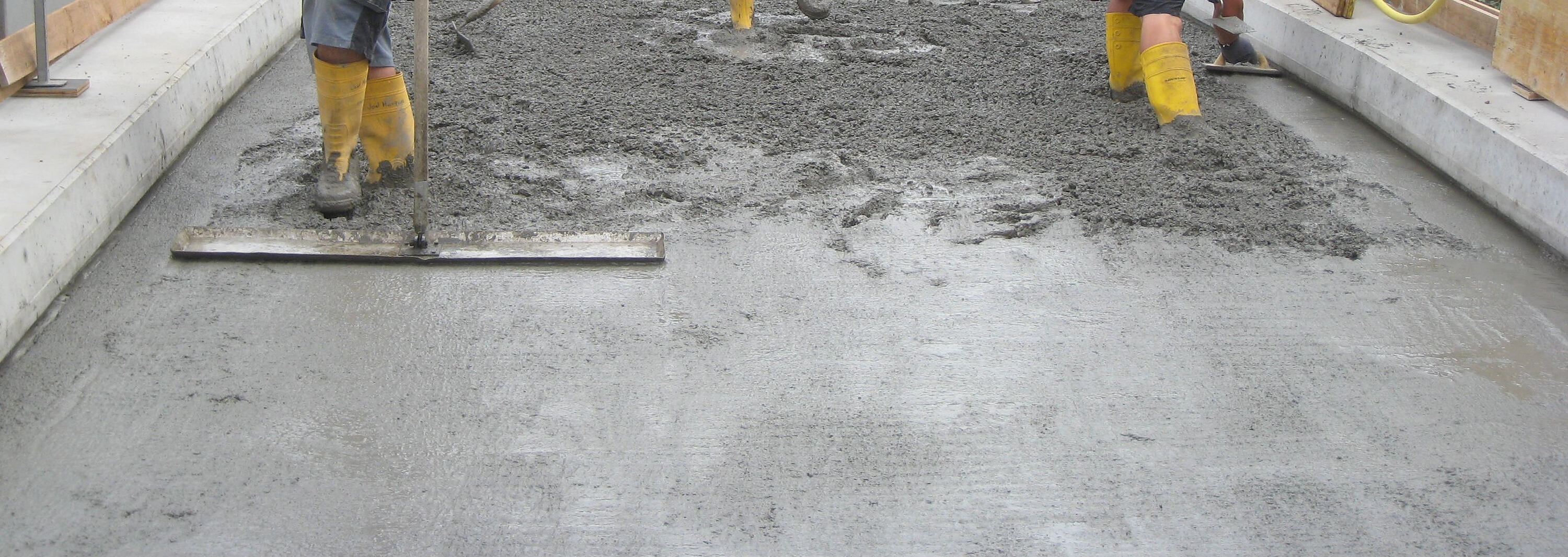
The in-situ concrete topping on the precast concrete element had to meet the concrete technology requirements C35/45, XC4, XD1, XF2, WA. No problem for the CEM II/B-M (V-LL) 42.5 N (az) from the SCHWENK Allmendingen cement plant. By now, this cement has become a bulk cement and is used as a standard grade in many ready-mixed concrete plants. In addition to Portland cement clinker, the cement contains limestone powder and fly ash, thereby significantly reducing the CO2 emissions from clinker production in cement and concrete.
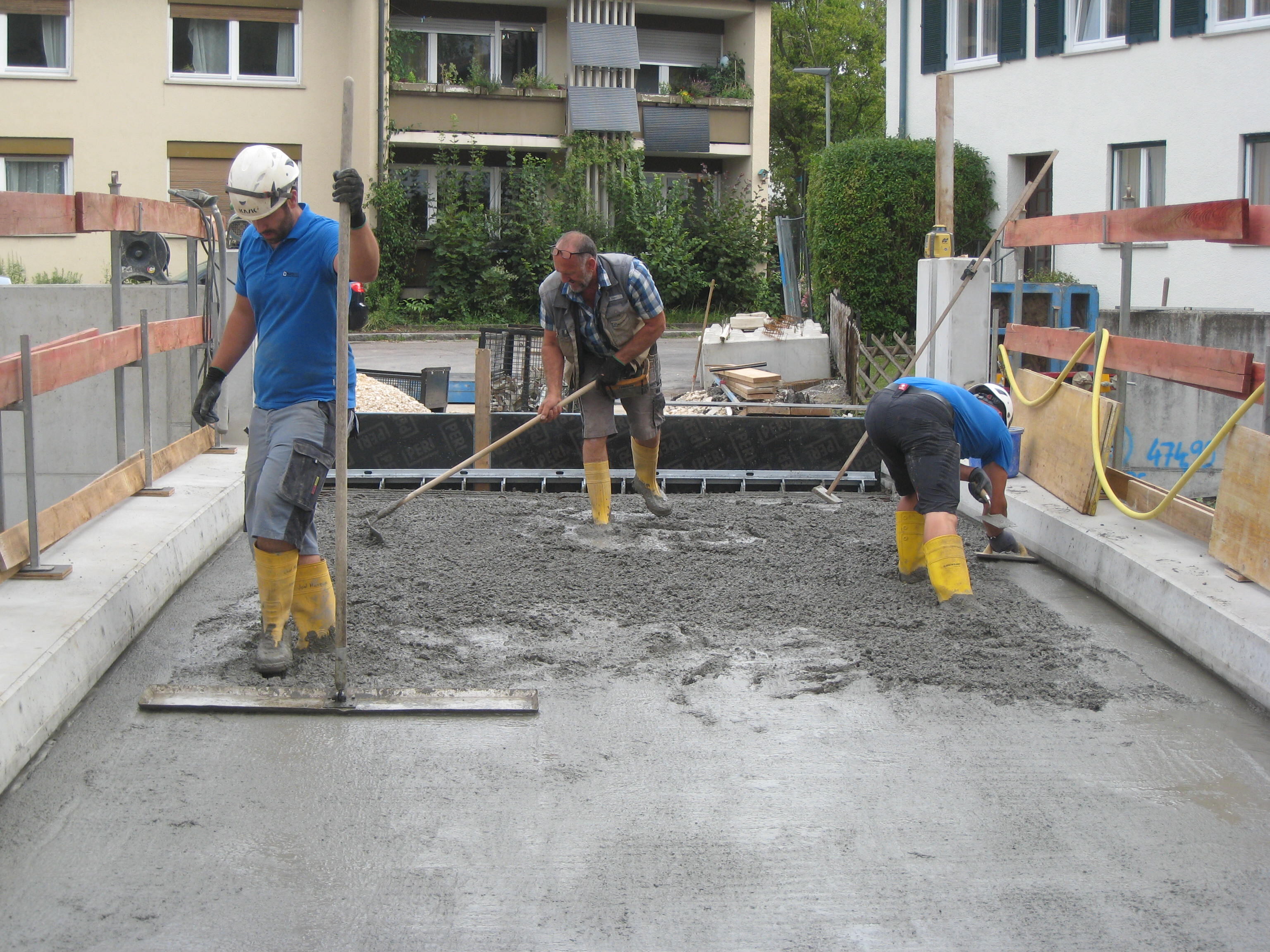
Image 2: Installation of the concrete topping
The installation took place in mid-July under summer conditions with an air temperature of 30°C. The concreting of the topping was scheduled for the early morning hours. The fresh concrete temperature on the construction site was 26°C. Before installation, the precast element was thoroughly pre-wetted to ensure a good bond. The concrete in consistency F3 was easy to work with and could be installed quickly. The construction site was subject to the regulations of monitoring class 2. Accordingly, test cubes for the compressive strength verification had to be produced on behalf of the construction company by a suitable testing laboratory. These were produced by engineering office Rettich from Langenau.
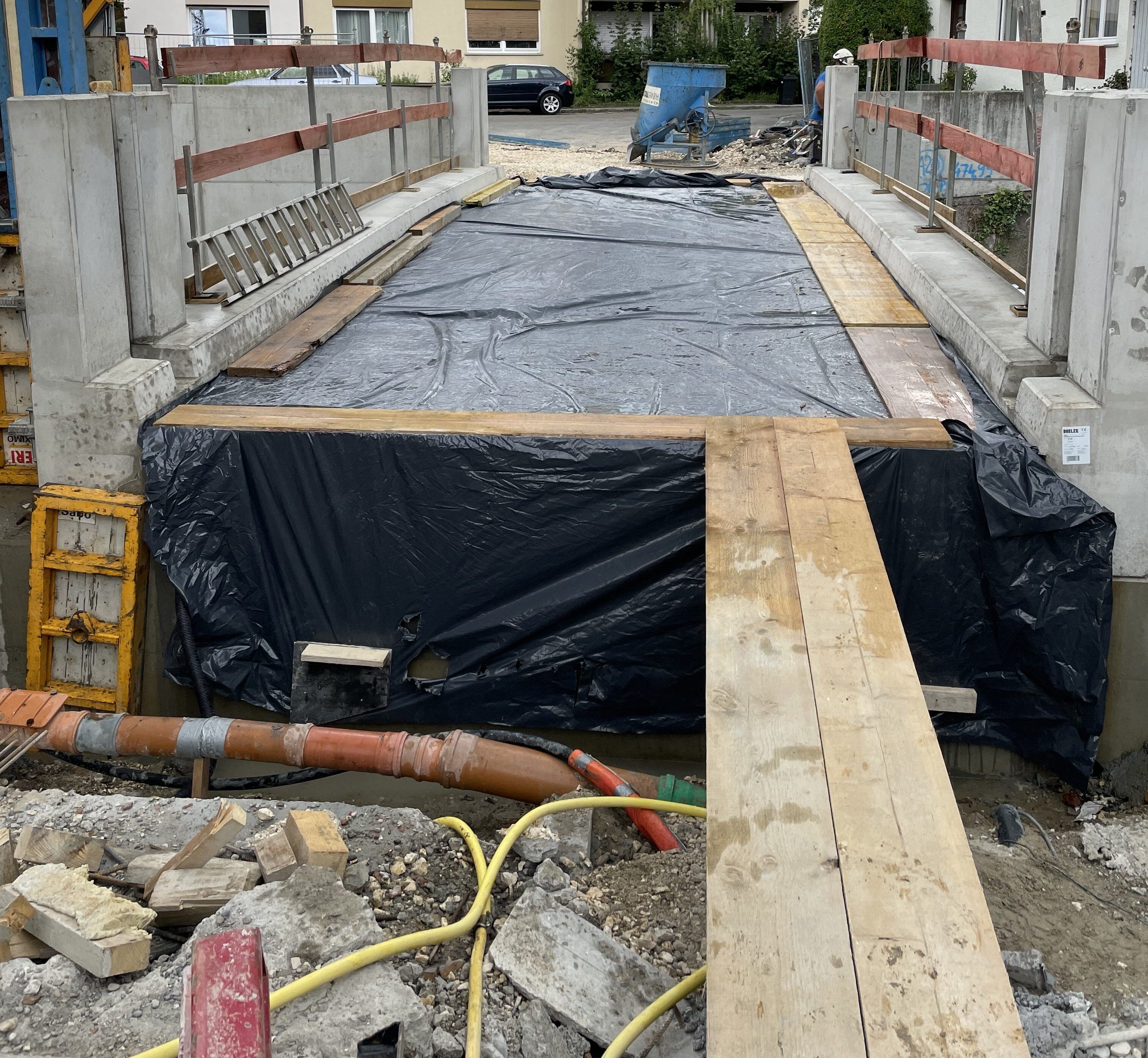
Image 3: Exemplary curing until 70% of the characteristic strength is reached.
After installation, curing was carried out using sheeting and keeping the surface moist during the first few days. According to ZTV-ING, curing must be continued until 70% of the characteristic compressive strength is reached. This was verified by an additional test cube, which was tested after 5 days. Afterwards, the surfaces were uncovered to allow the surface to dry quickly, as it was planned to apply the bitumen coating and asphalt concrete as soon as possible after a further 2 weeks. After that, the diversion of the Blau could be lifted and power generation via the turbine resumed.
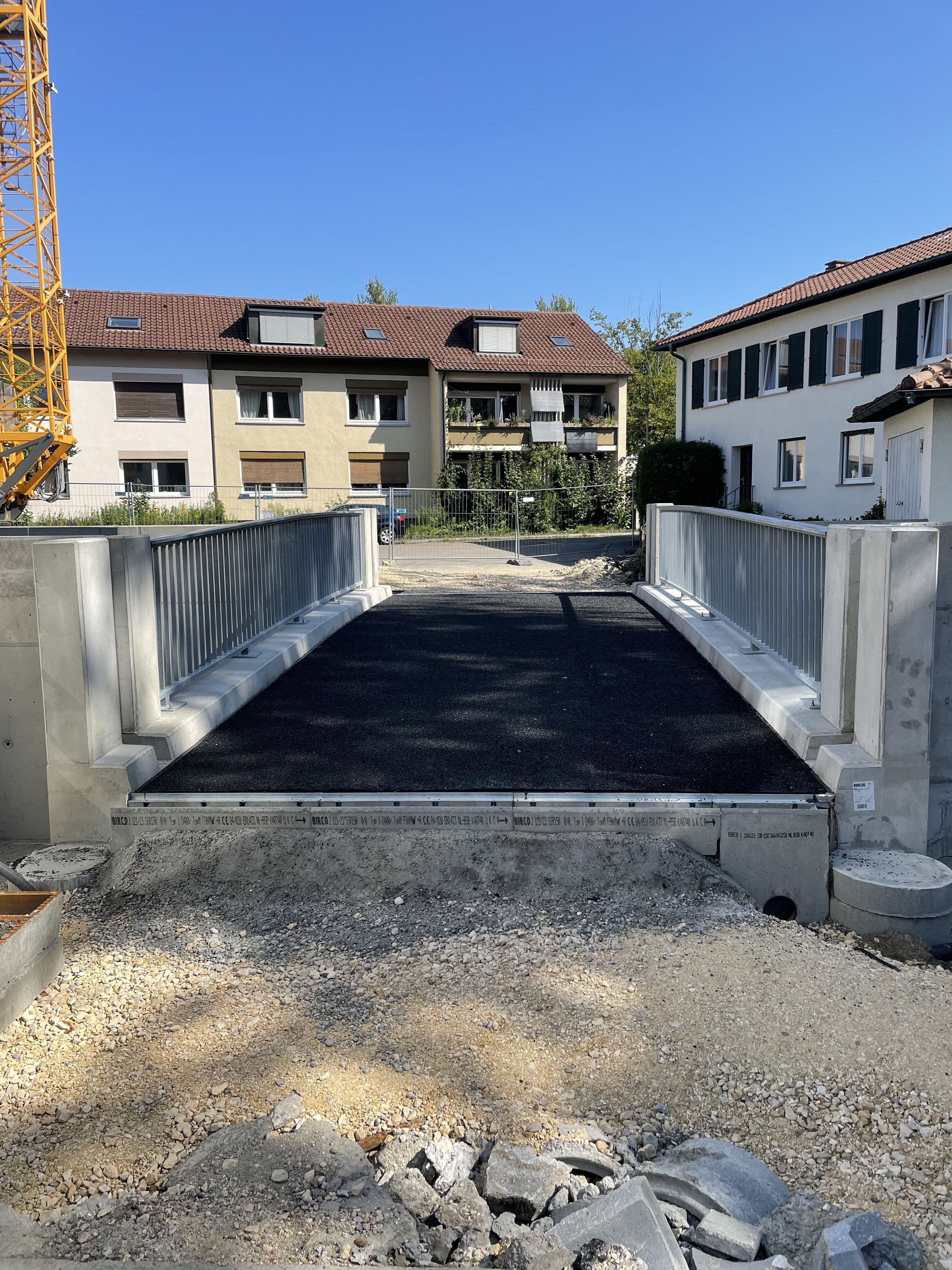
Image 4: Completed superstructure in mid-August
Conclusion
For the renewal of the bridge over the Große Blau, CEM II/B-M (V-LL) 42.5 N (az) cement from the SCHWENK Allmendingen cement plant was used for all in-situ concrete components. This clinker-reduced cement is an instrument of the cement and concrete industry to achieve climate neutrality by 2045. Unfortunately, there is still no general approval for the use of these cements in the area of ZTV-ING. This should be changed as quickly as possible. Only in this way can the ambitious climate targets be achieved, and these cements can also be used to construct equally durable and high-performance structures in bridge construction.