Menu
Menu


AT SCHWENK
Launch of Building Materials Recycling in Achstetten
Max Wild and SCHWENK commission a new wet mechanical processing plant for the production of secondary raw materials from mineral construction waste
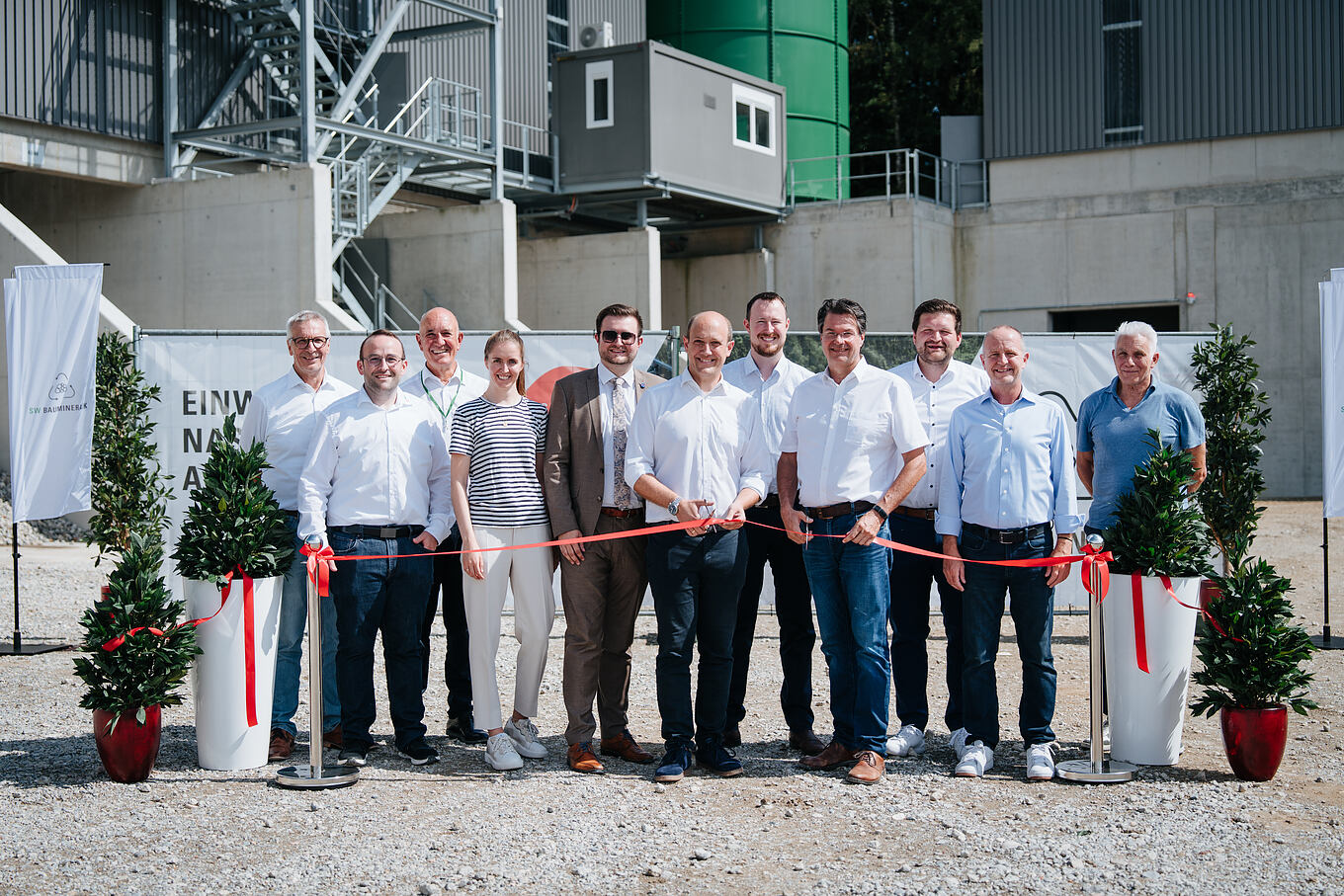
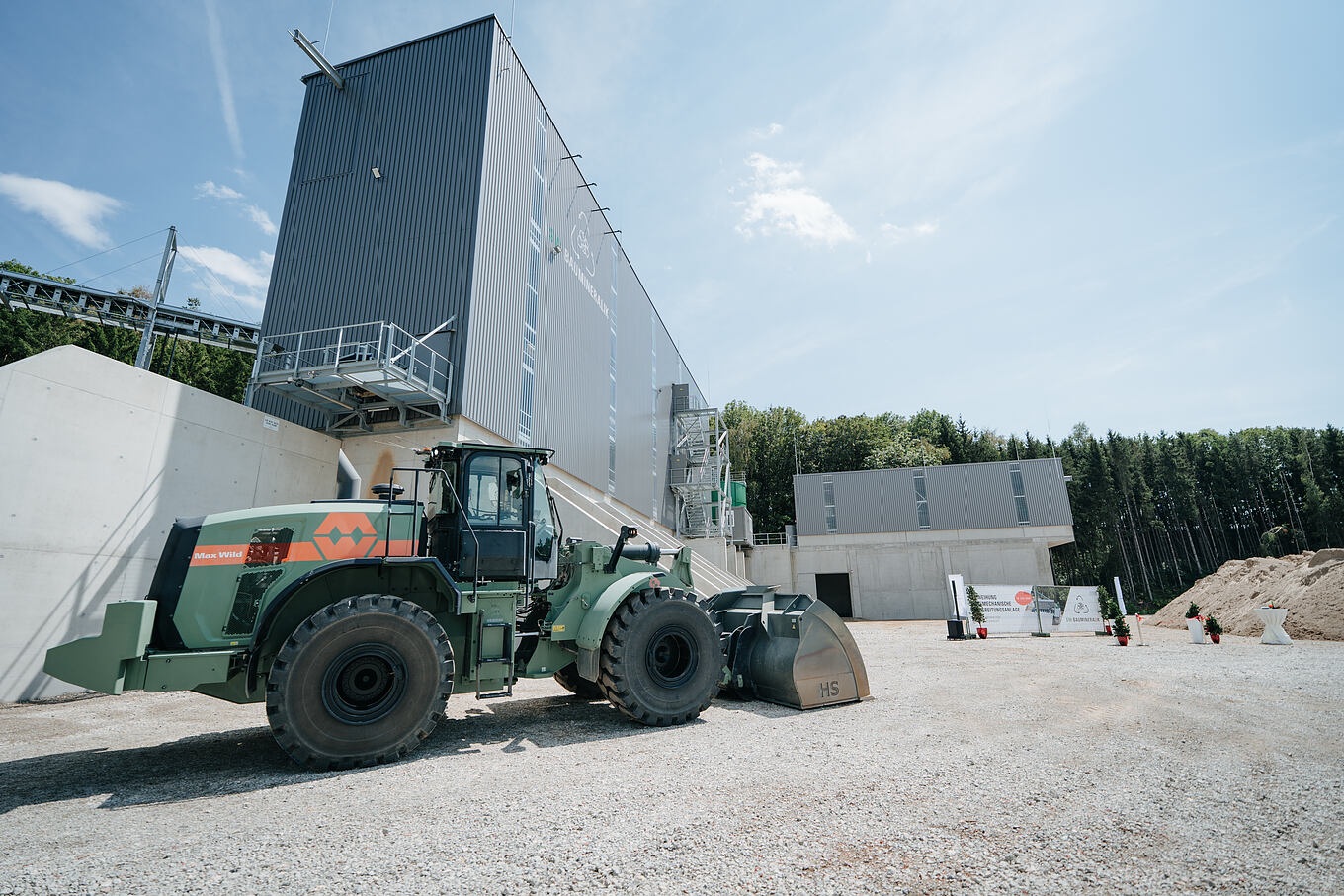
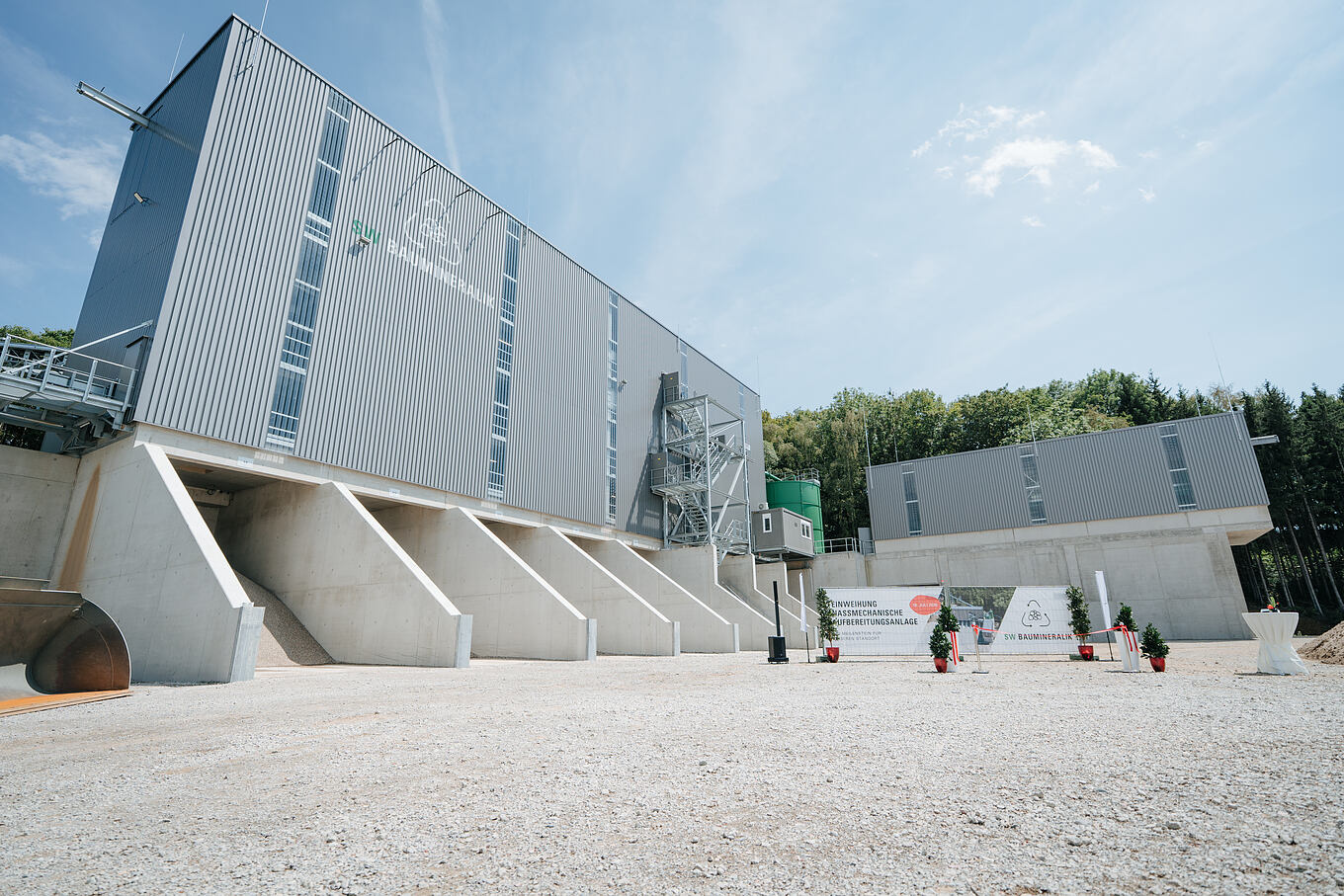
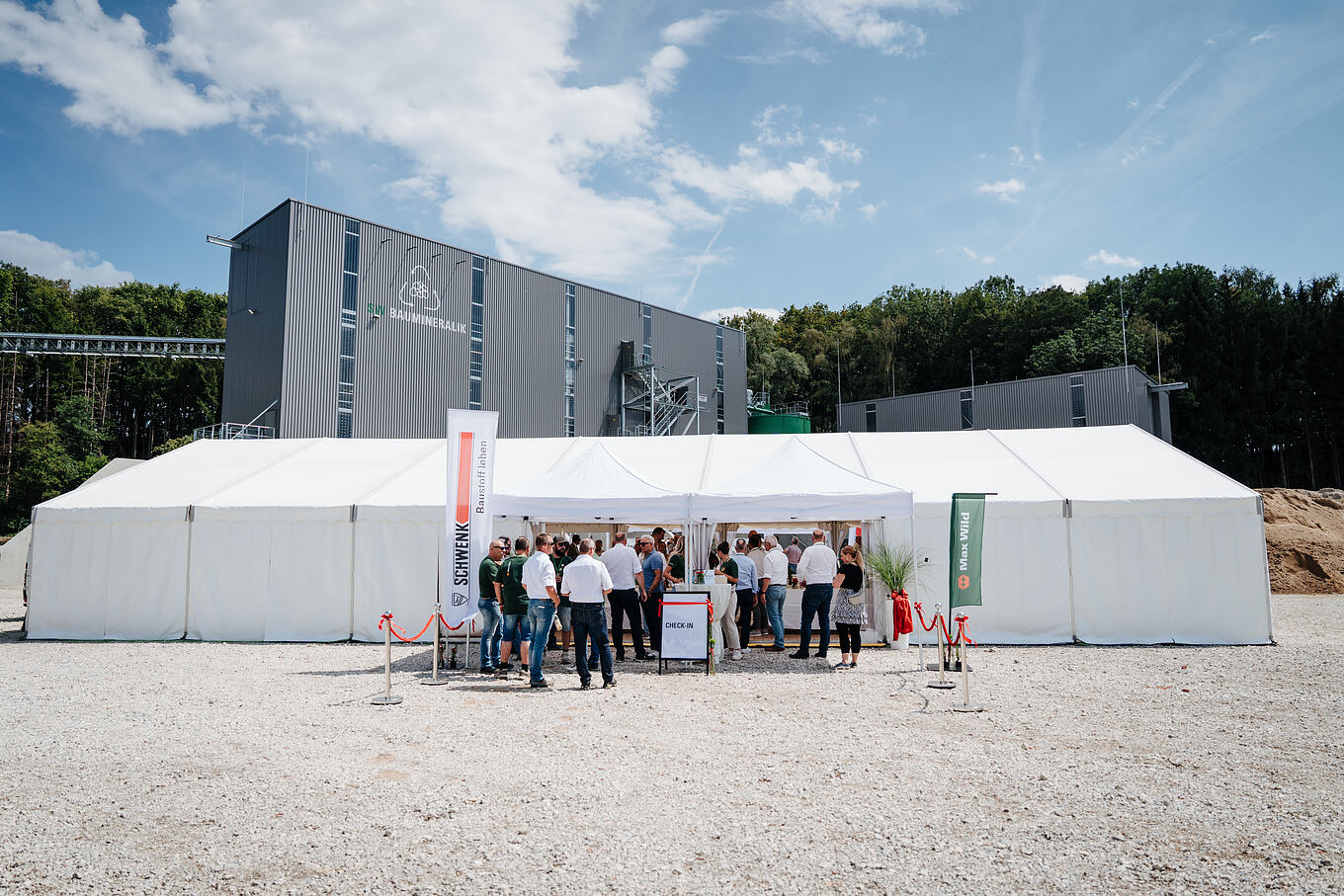
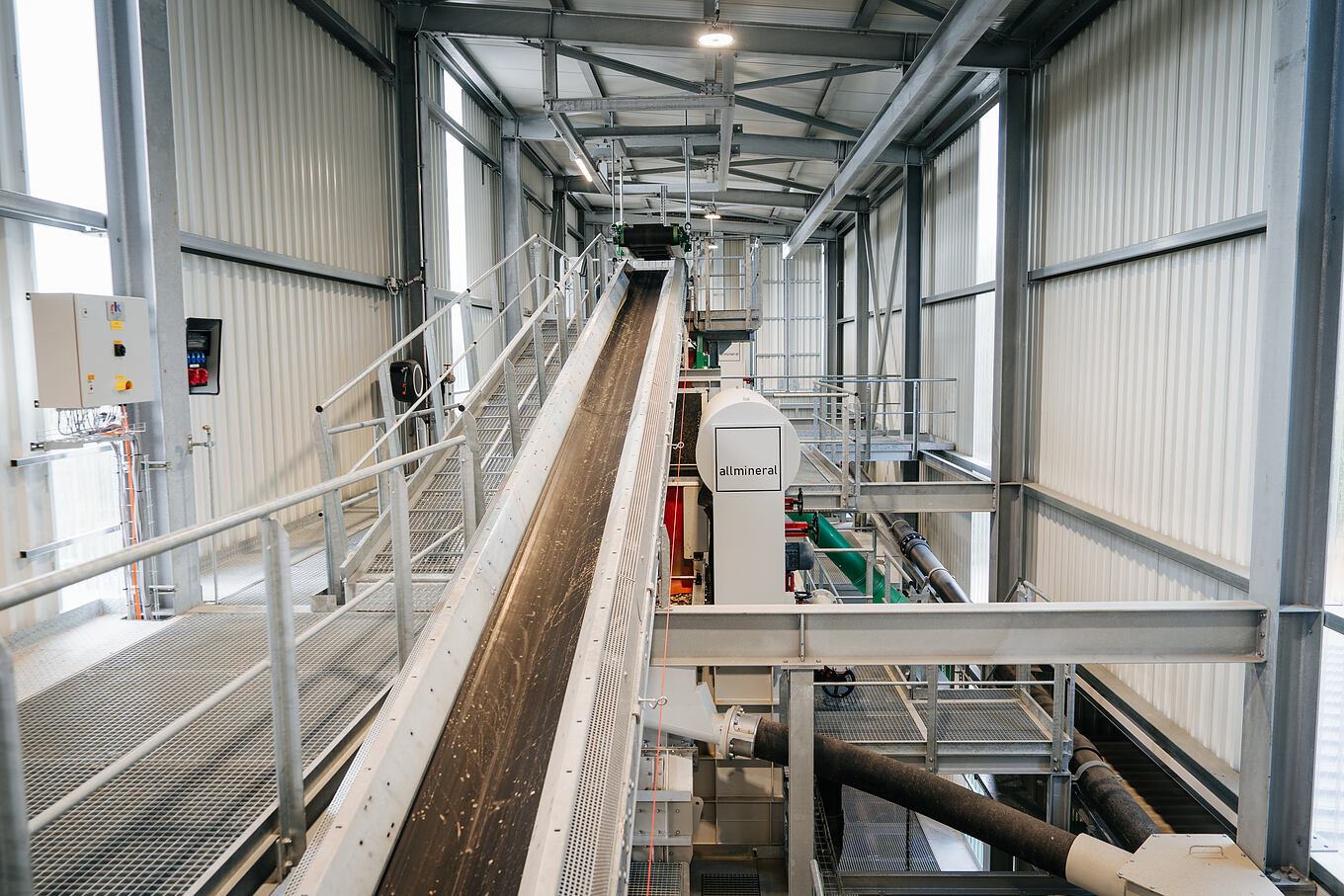
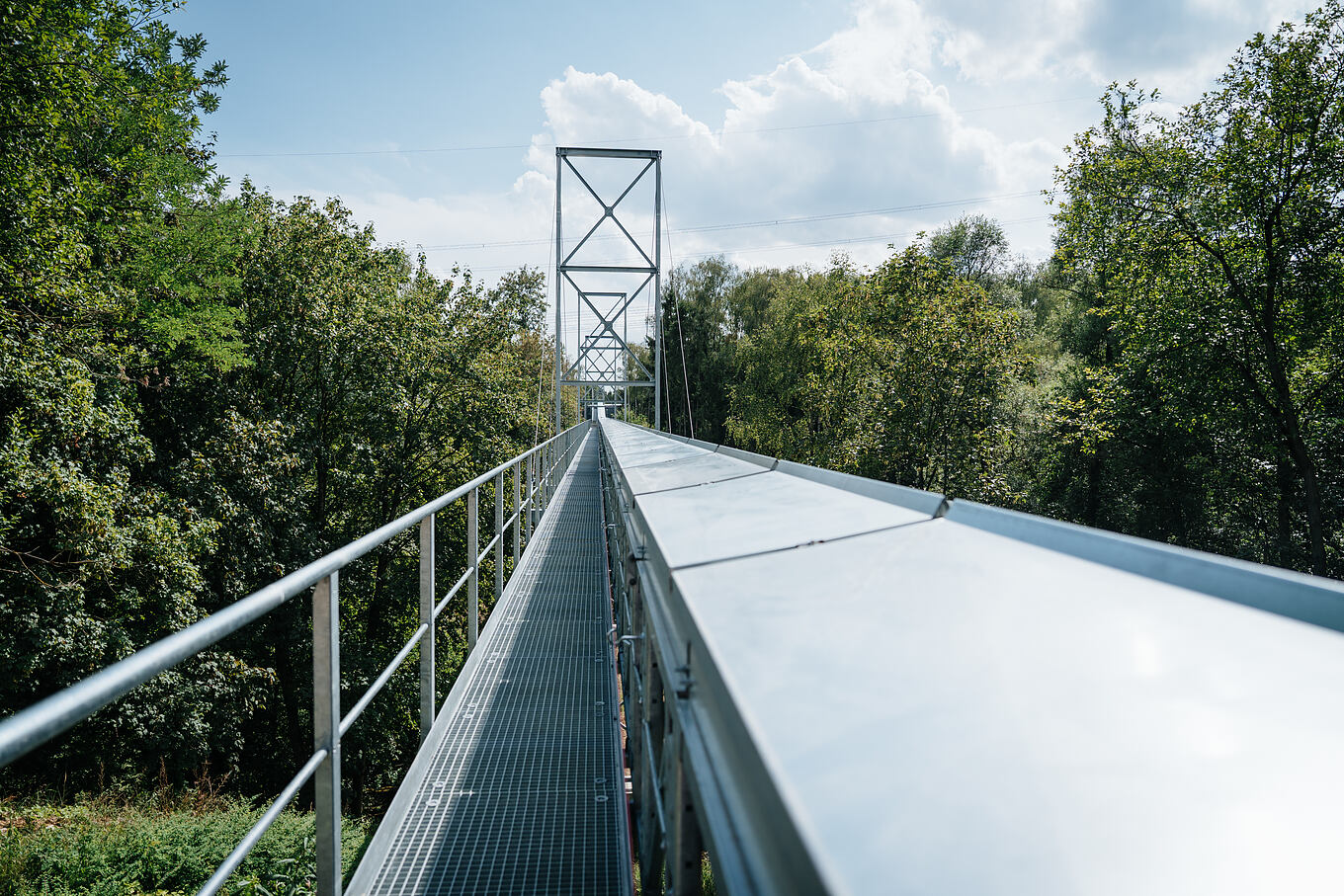
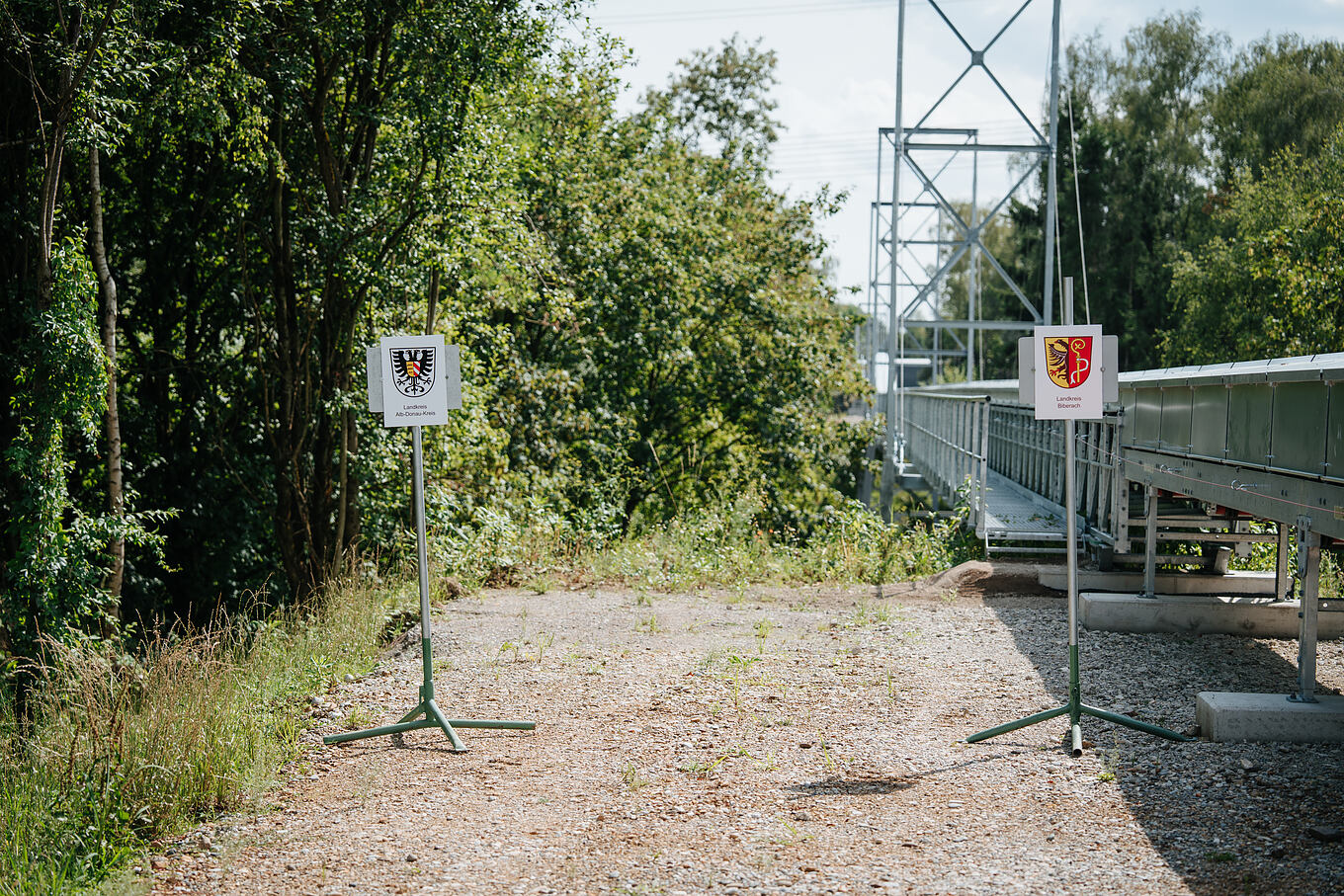
SW BAUMINERALIK, represented by its shareholders Max Wild of Berkheim and SCHWENK of Ulm, has commissioned its new wet mechanical processing plant in Achstetten in the Biberach district. Operating on a shift basis, the plant can process up to 250,000 metric tons of mineral waste annually into high-quality secondary raw materials. With this investment — which amounts to a low double-digit million figure — the two construction professionals are sending a clear signal in support of a responsible circular economy and resource conservation, with a geographical focus on the Biberach district and the Alb-Donau district.
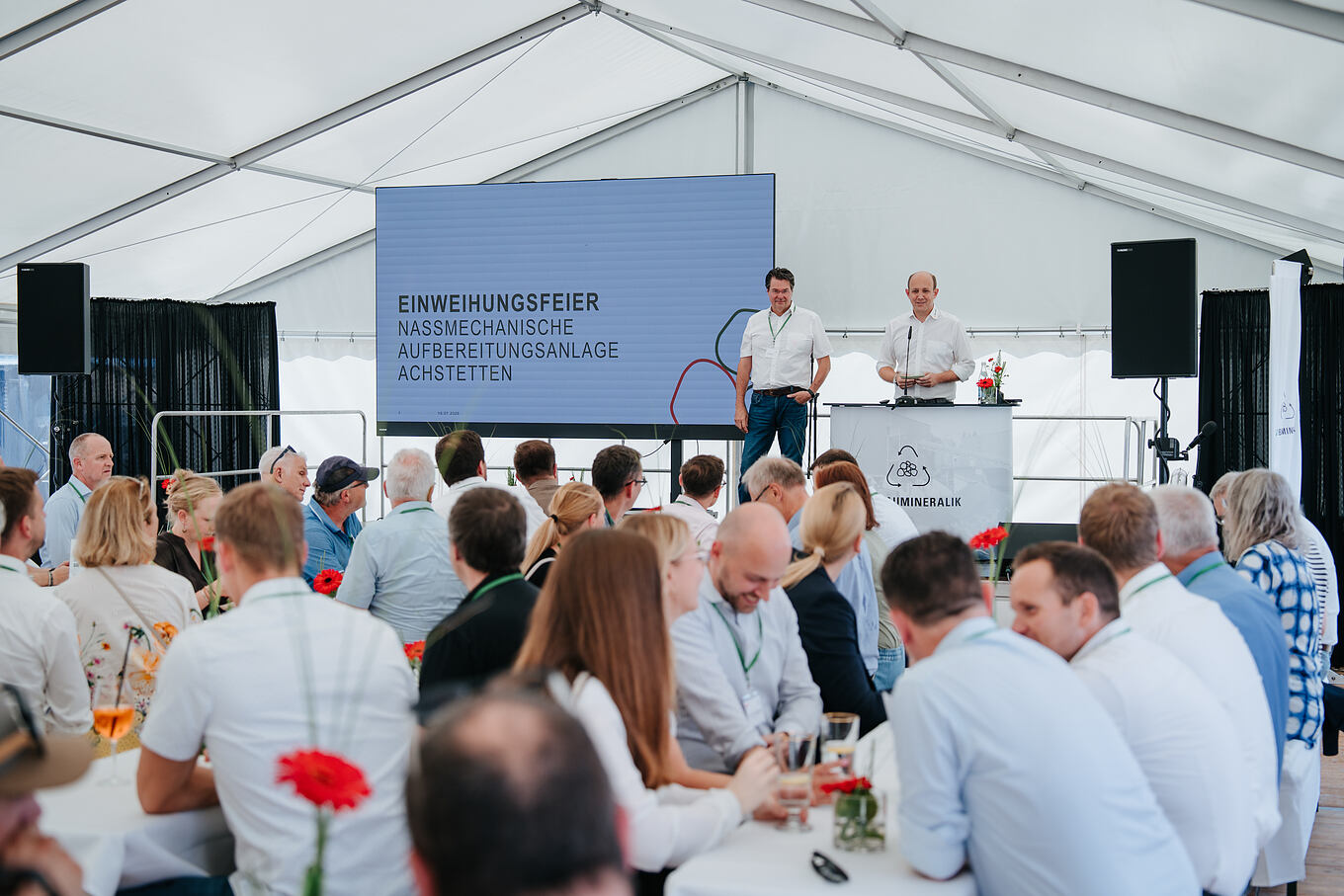
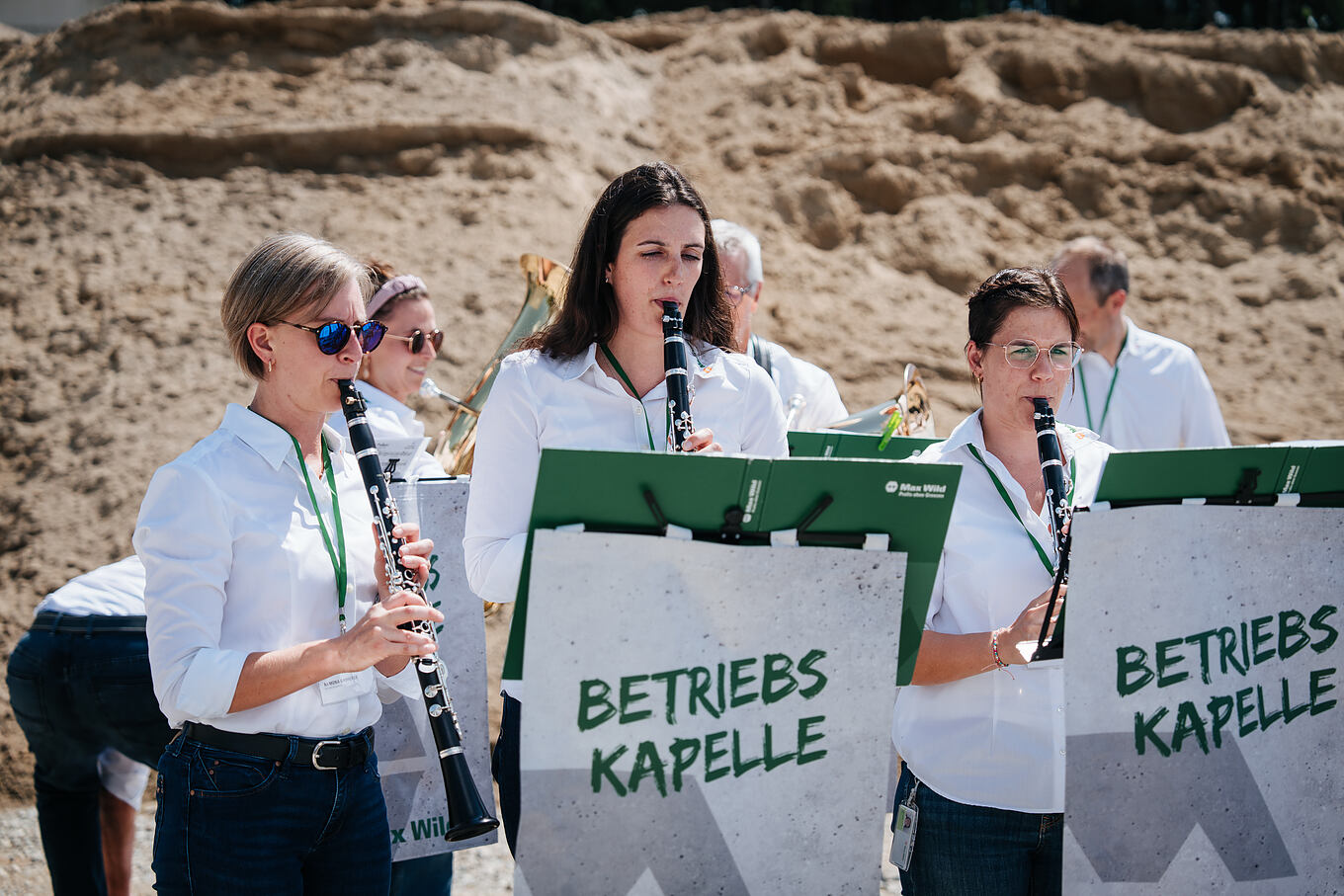
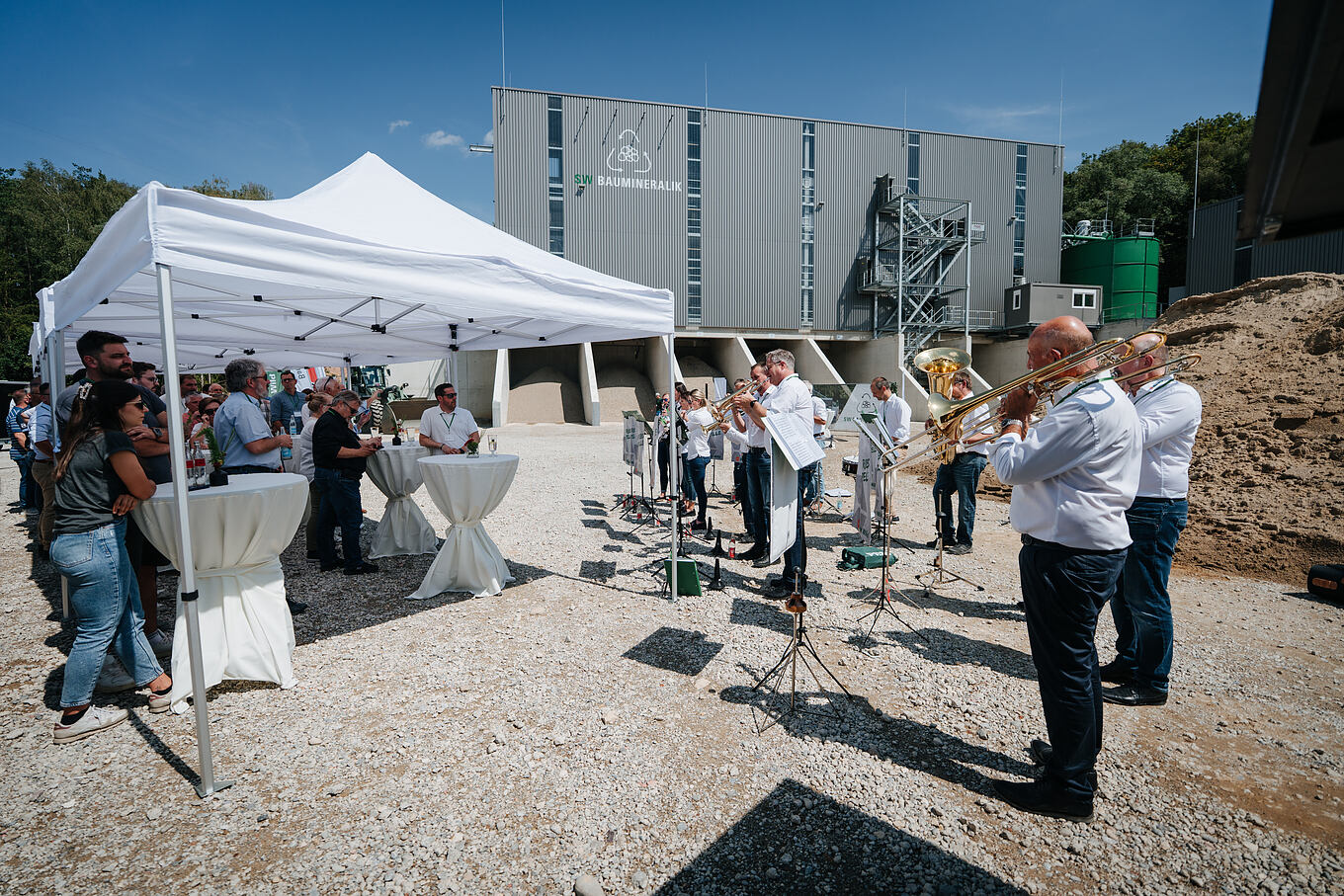
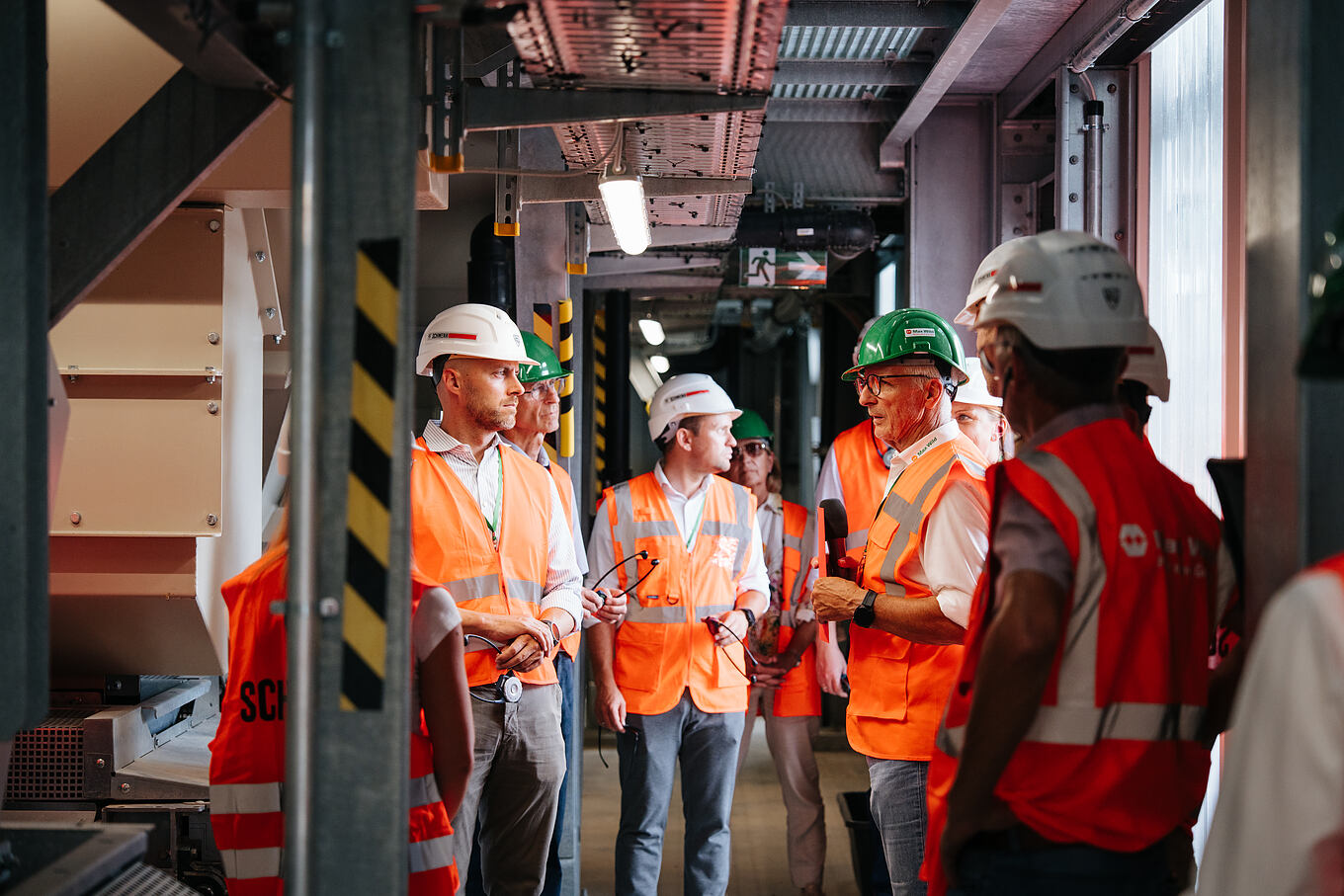
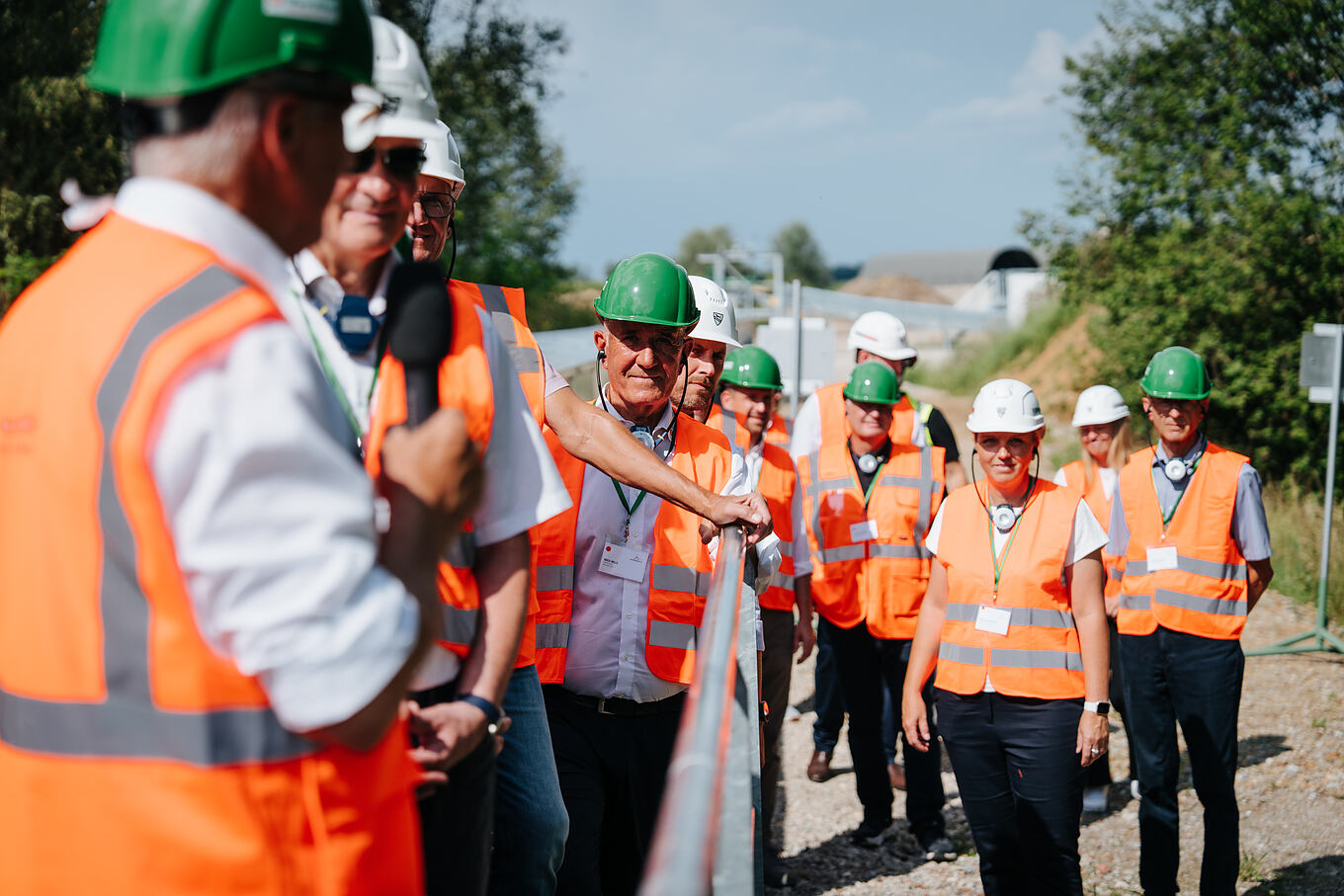
“It is fantastic that, after almost one and a half years of construction, we can now put the new wet-mechanical processing plant in Achstetten into operation. This will allow us to significantly increase the regional recycling rate and further expand the use of recycled construction materials,” said Markus Wild and Joachim Kainz, Managing Directors of SW BAUMINERALIK Donau-Iller GmbH & Co. KG, during the official commissioning ceremony attended by numerous guests of honor. “With this modern facility, we’re conserving valuable resources while also producing high-performance secondary raw materials on the path to sustainable construction.”
Important Secondary Raw Materials
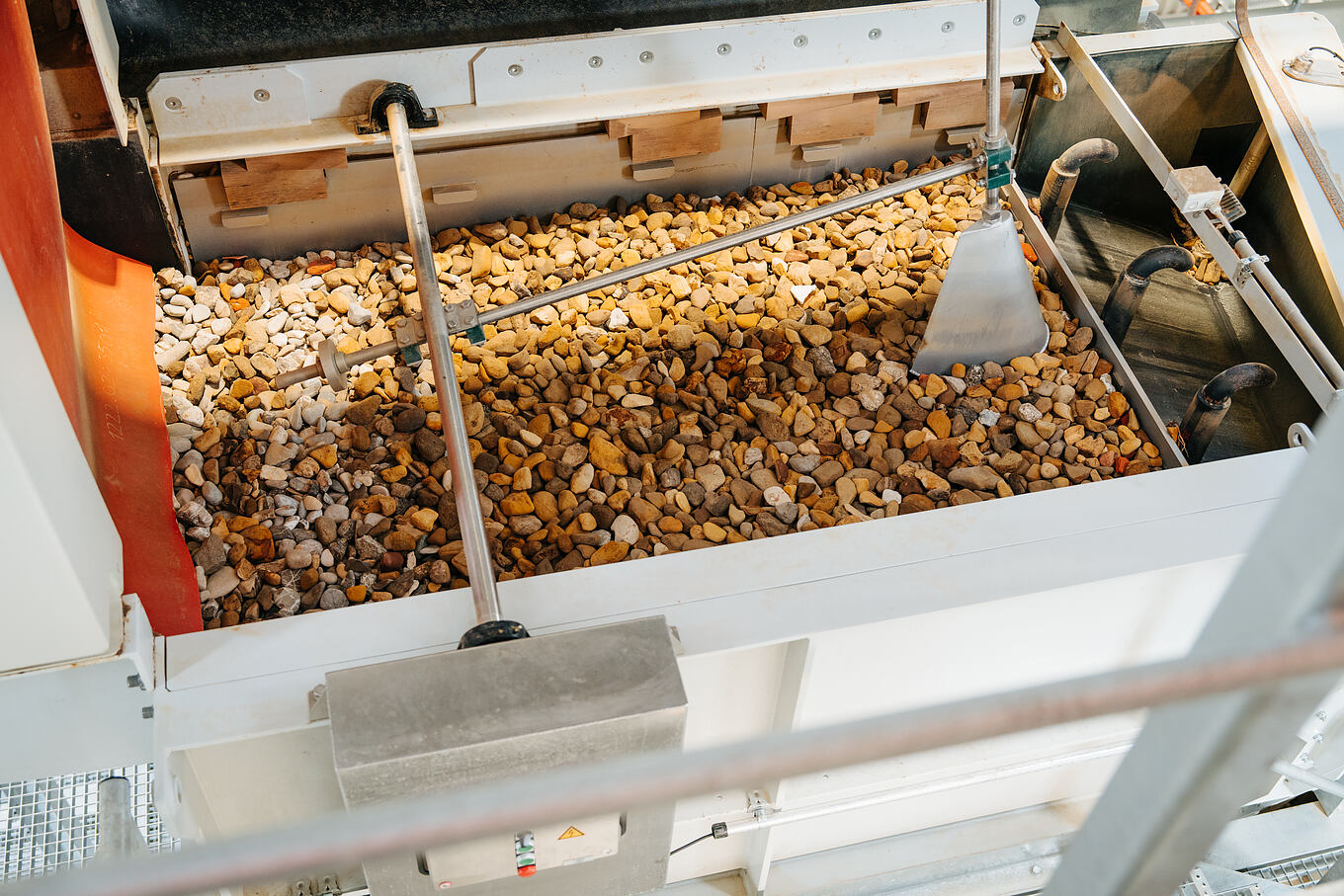
The new wet mechanical processing plant in Achstetten processes mineral construction waste — such as excavated soil and railroad ballast — into high-quality secondary raw materials in the form of aggregates, sand, and gravel. For Max Wild, the wet mechanical processing plant in Achstetten is already the second such facility within six years. Since 2020, the family-owned company has been operating a wet-mechanical processing plant at its own waste management center in Eichenberg (Berkheim), making it one of the pioneers in wet-mechanical processing. Max Wild returns the recovered sand and gravel fractions to the economic cycle as equivalent raw materials. These secondary raw materials are used in concrete plants, basement walls, floor slabs, and in the asphalt industry. With the new plant in Achstetten, the facility’s capacity — and thus the region’s recycling capacity — will double to up to 500,000 metric tons per year.
Circular Economy in Our DNA
SCHWENK, based in Ulm, also has circular economy and recycling embedded in its corporate DNA. The company is one of the oldest family-owned businesses in the German building materials industry. In addition to its cement, concrete, sand & gravel, and concrete pump divisions, it established its Circular Economy division about four years ago to develop and advance this area for SCHWENK. In addition, SCHWENK is currently utilizing and developing several new processes to reduce CO₂ emissions on a large scale during the production of building materials. For example, the concrete used in the new wet mechanical processing plant in Achstetten contains cement from SCHWENK that consists of only about 60% clinker. In addition, approximately 25% of the aggregate used comes from the wet mechanical processing plant operated by Max Wild in Eichenberg.