 Menu
Menu


AT SCHWENK
Renovation of the plant entrance at the Bernburg plant
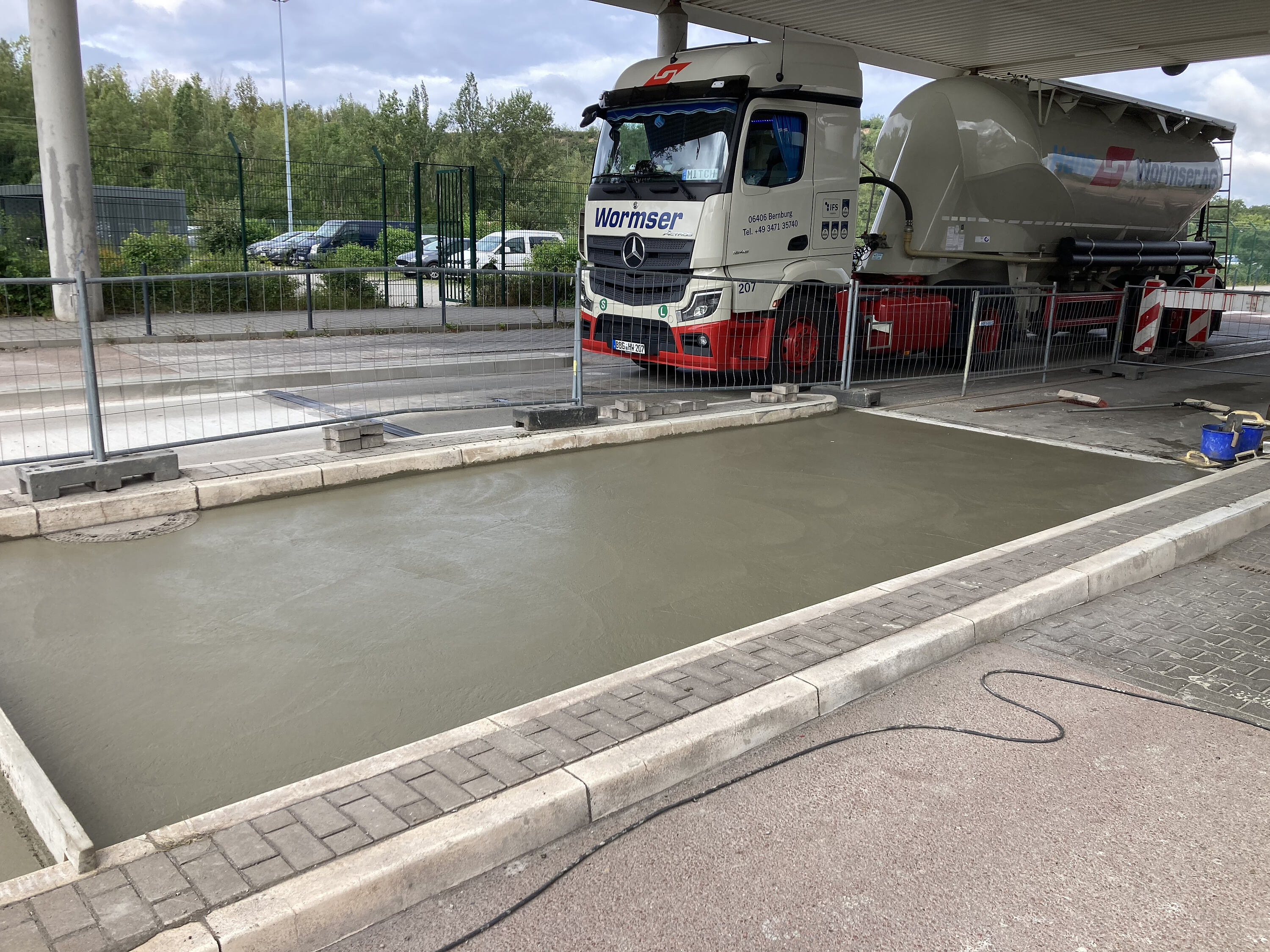
Due to the daily heavy-load traffic, two lanes in the area of the plant entrance at the Bernburg plant had to be completely renewed. The now aging access areas showed significant cracks and ruts, particularly in the area of the weighbridges. With daily output volumes averaging 3,000 tonnes, plus the delivery of secondary fuels and all other transport required for production and plant operations, this presented a considerable challenge for logistics and organization. The coordination of the executing company, Universalbau Bernburg, and the concrete deliveries was perfectly organized by Ms. Valdeig as the responsible civil engineer from the plant management’s technical office.
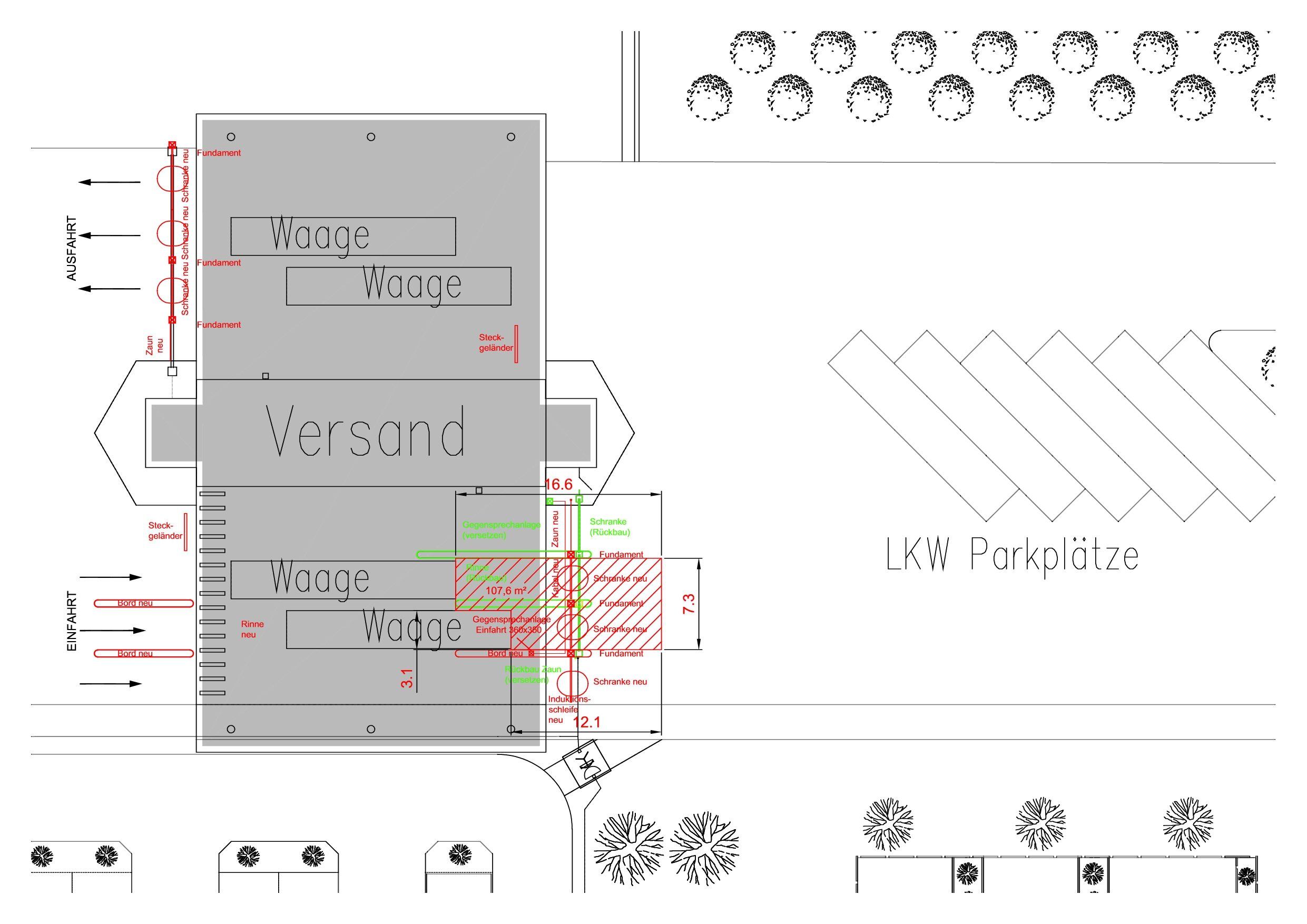
Image 1: Overview of the renewed surfaces
For the renovation of the lanes, an early high-strength road concrete of strength class C 30/37 with exposure classes XC4, XD3(LP), XF4, XA3(LP), XM2(LP) was installed at a height of 26 cm on top of a 20 cm thick hydraulically bound base layer. This type of concrete has demonstrated many years of good performance in terms of durability, particularly in the renovation of bus stops in urban areas (Berlin).
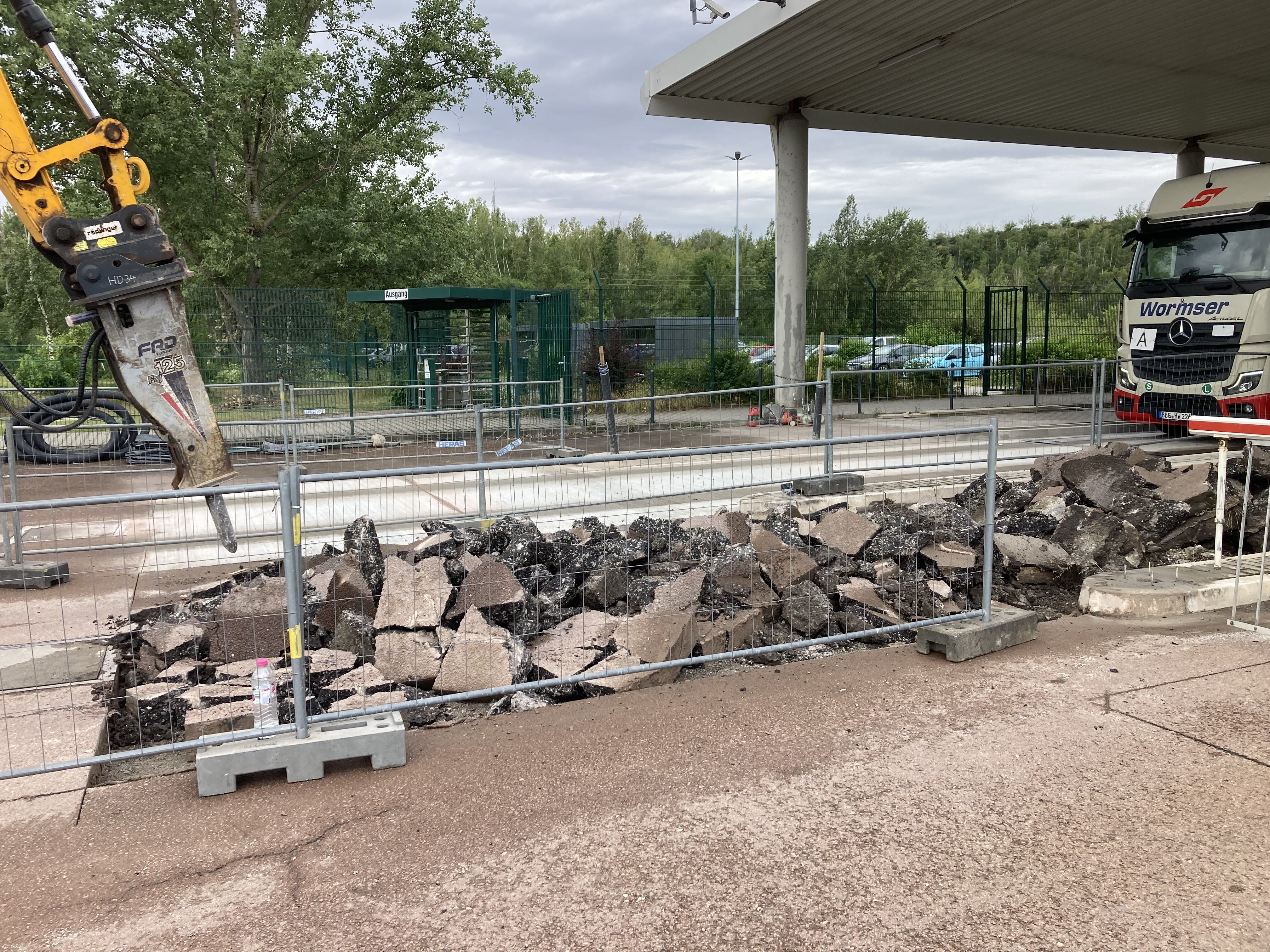
Image 2: Breaking up of the surface
The concrete was supplied by the nearby ready-mixed concrete plant of SCHWENK Beton Anhalt, Staßfurt plant. The acceptance testing was carried out by colleagues in the laboratory of the Technology Center (TC). The TC staff also produced all test specimens for checking the early trafficability of the surfaces and for ensuring the required strength and durability parameters of the concrete.
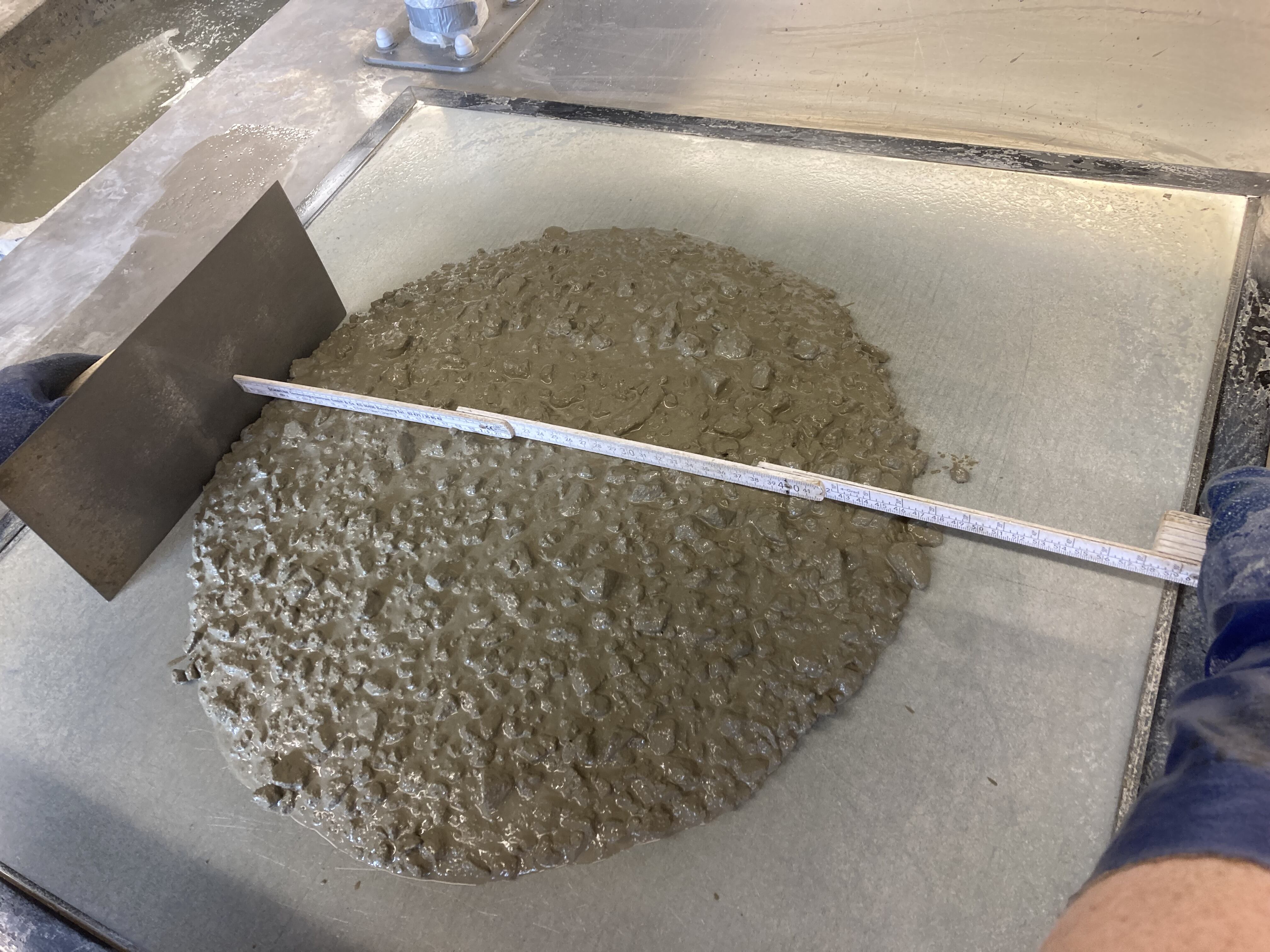
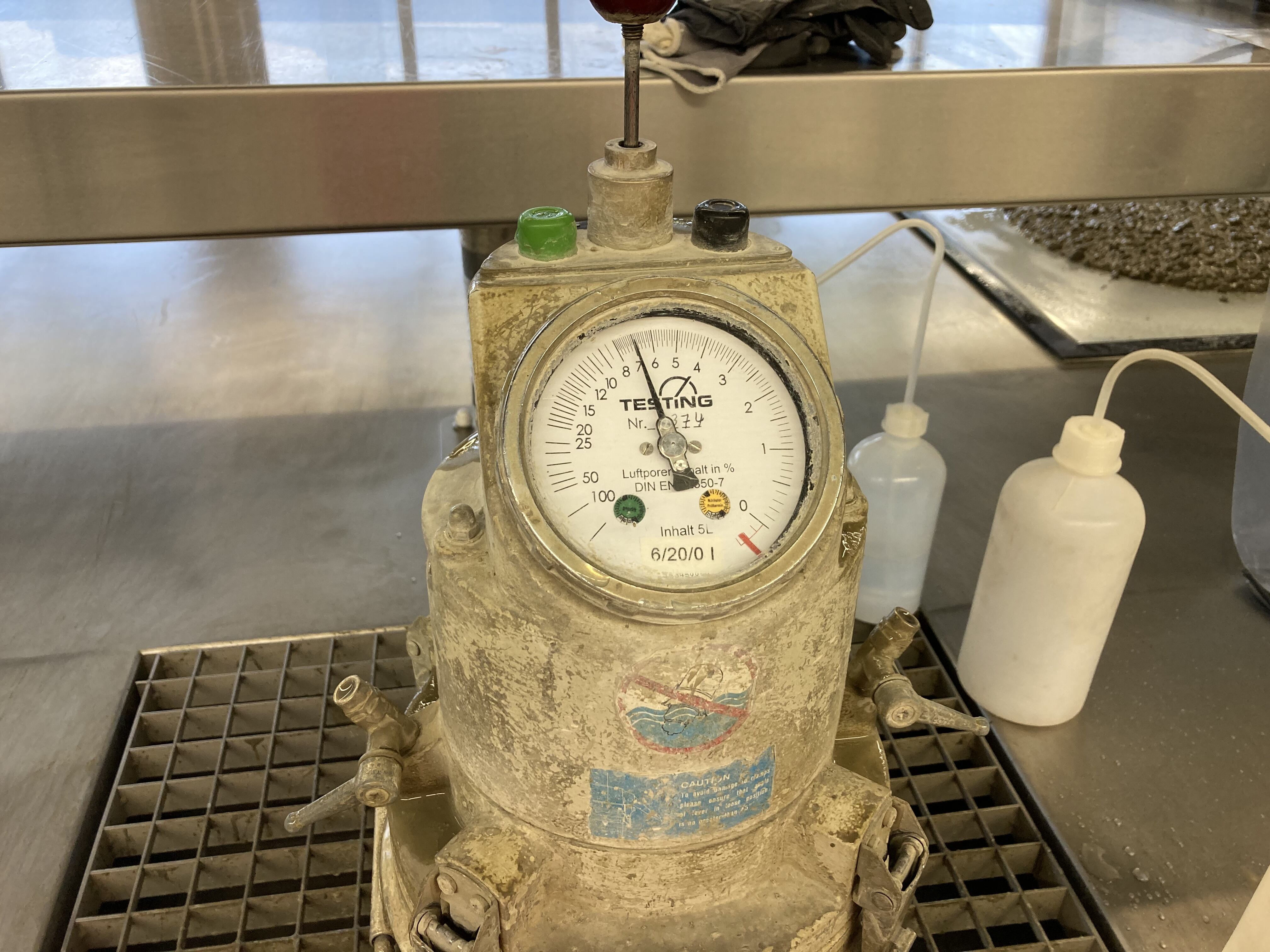
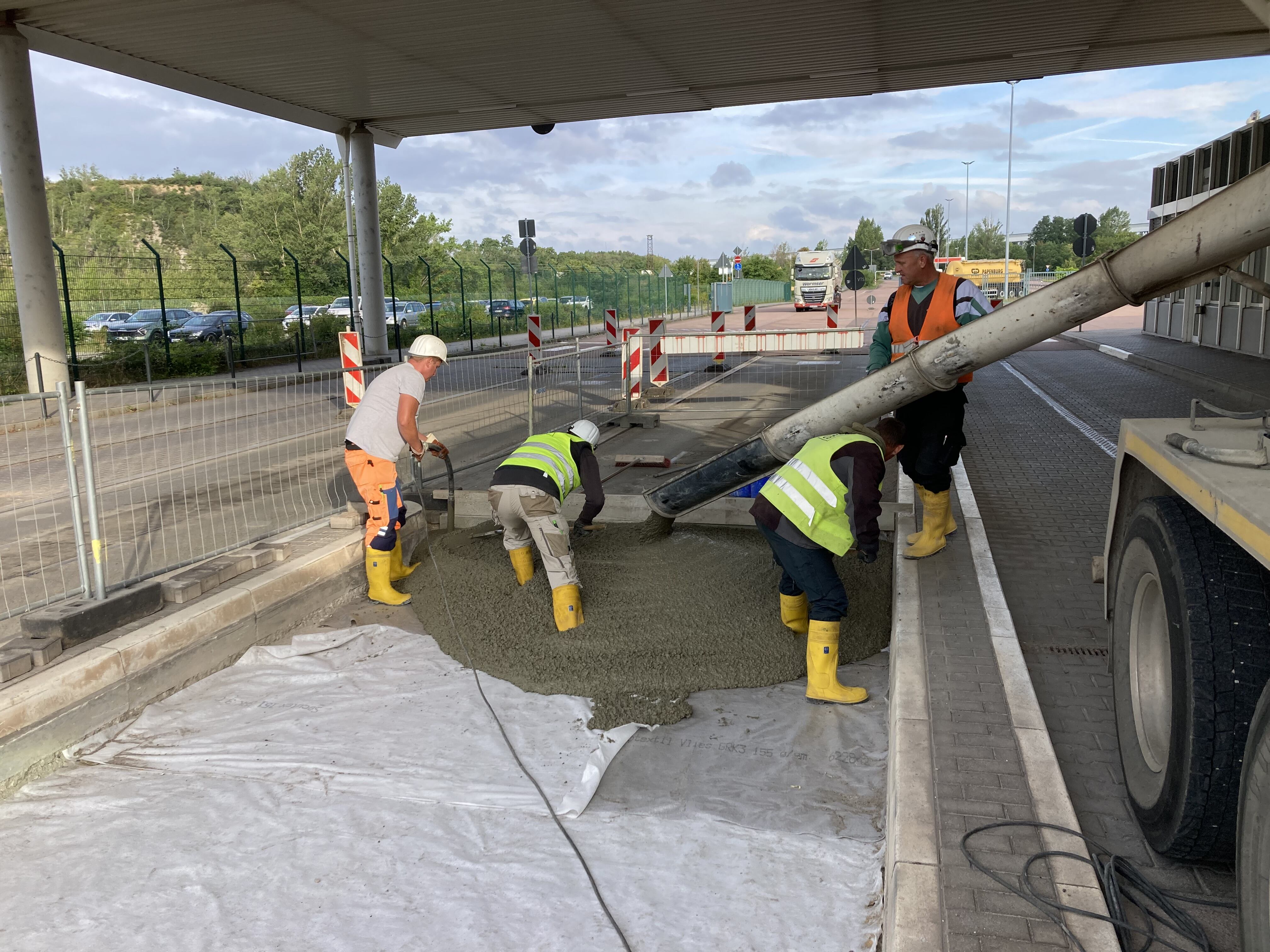
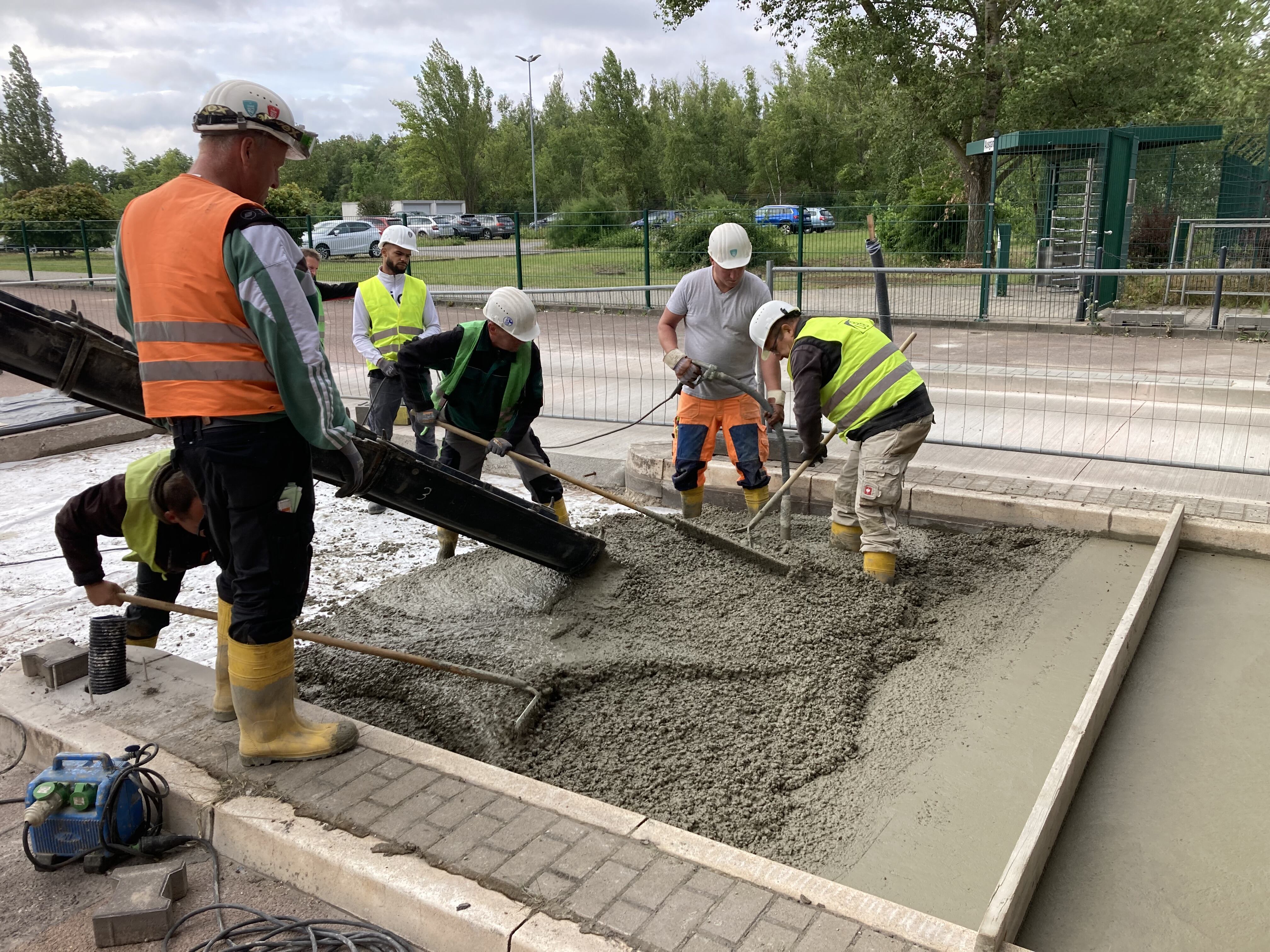
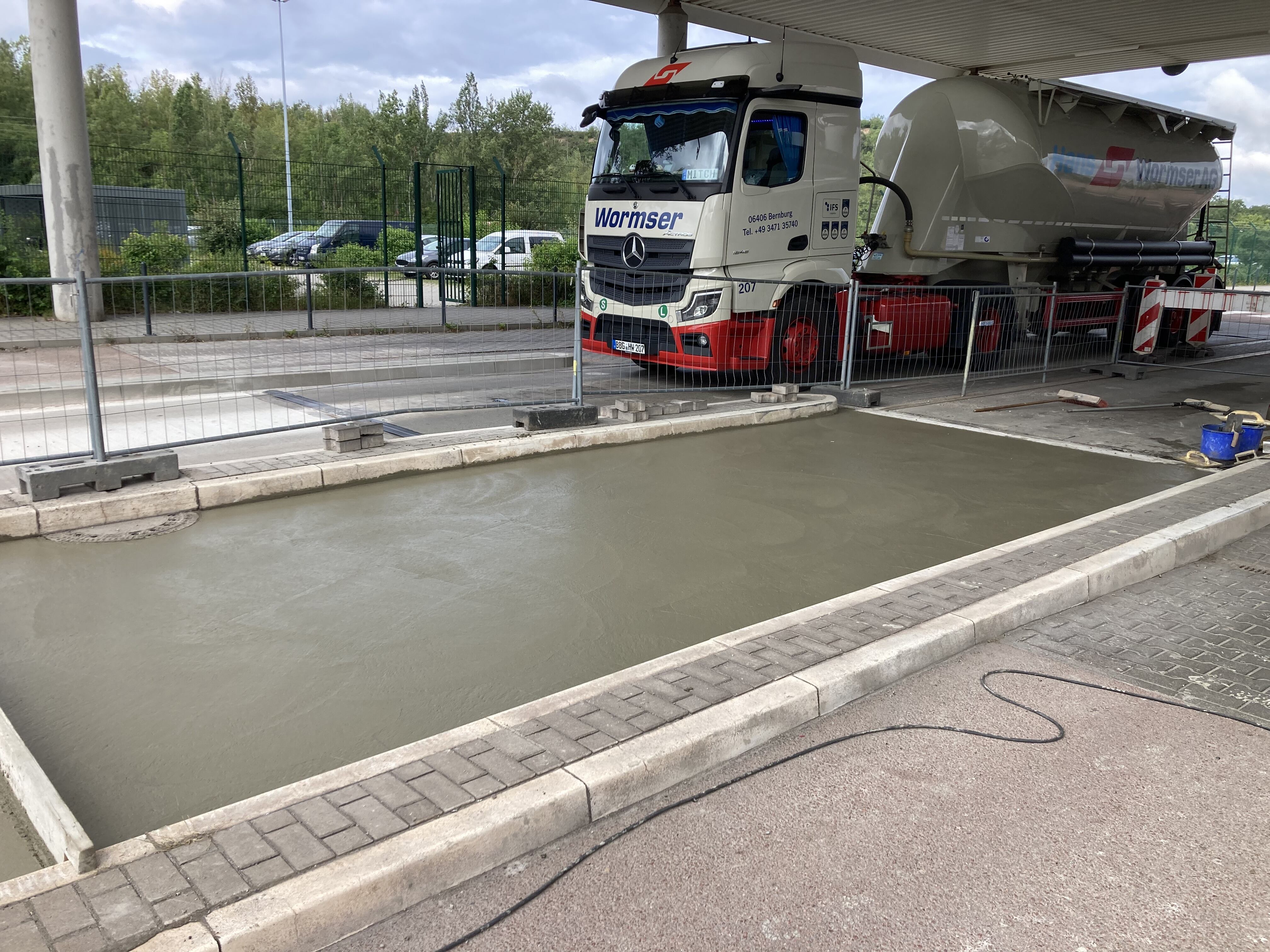
Image 3: Checking the slump flow and consistency Image 4: Testing the air void content Image 5: Installation and compaction of the road concrete Image 6: Screeding and smoothing of the concrete Image 7: Finished concrete surface
After the installation, compaction, and smoothing of the concrete surface, a broom finish was applied to improve friction and grip, and the fresh concrete was protected from drying out with a curing compound.
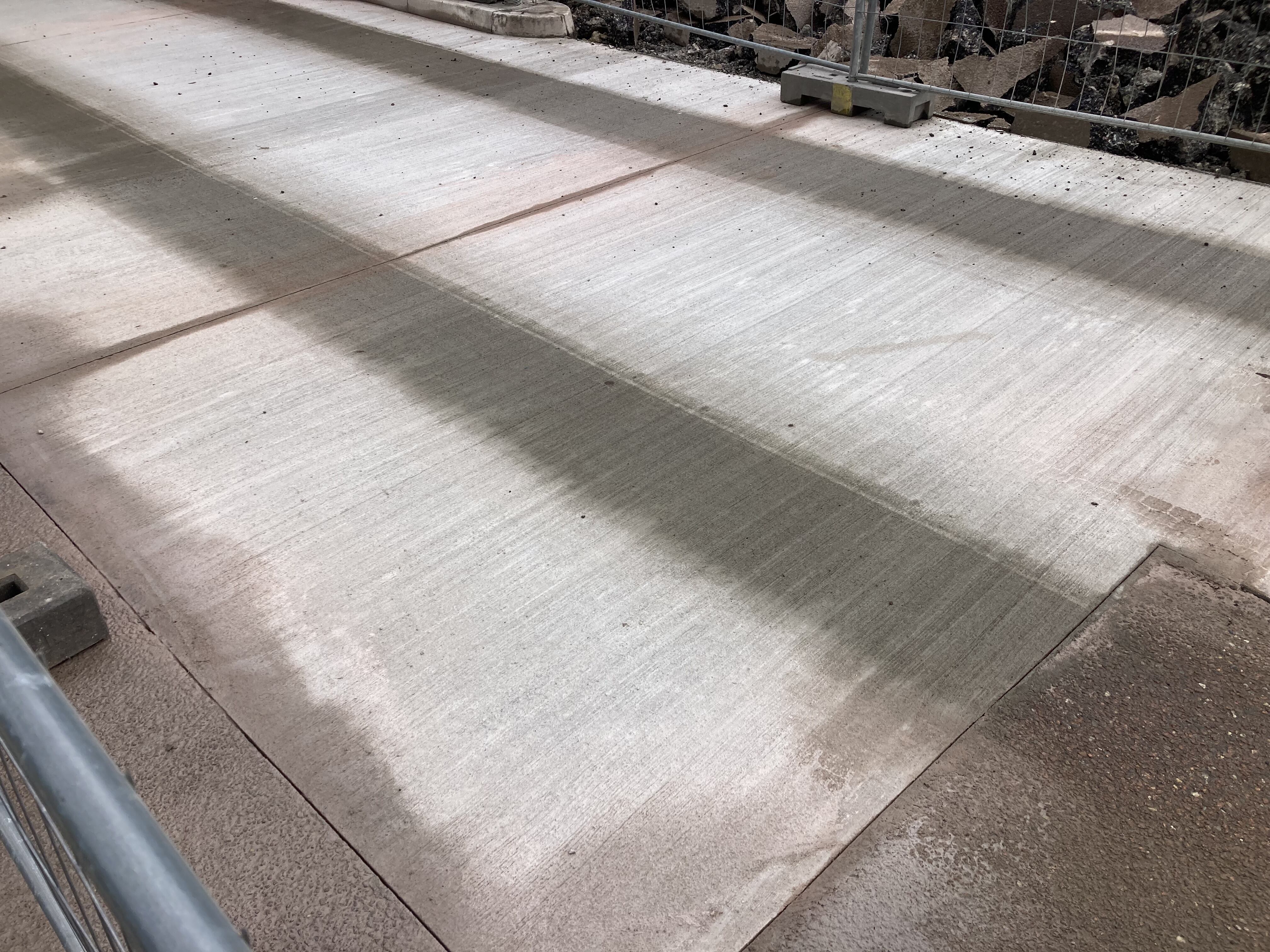
Image 8: Finished concrete surface with saw-cut joints
The concrete was easy to install and compact with the targeted consistency F3 and an average slump flow of 48 cm. The air void content to ensure frost and de-icing salt resistance was also maintained at an average of approximately 6.5%. Early strength tests already demonstrated safe trafficability of the surfaces after just 2 and 3 days respectively.
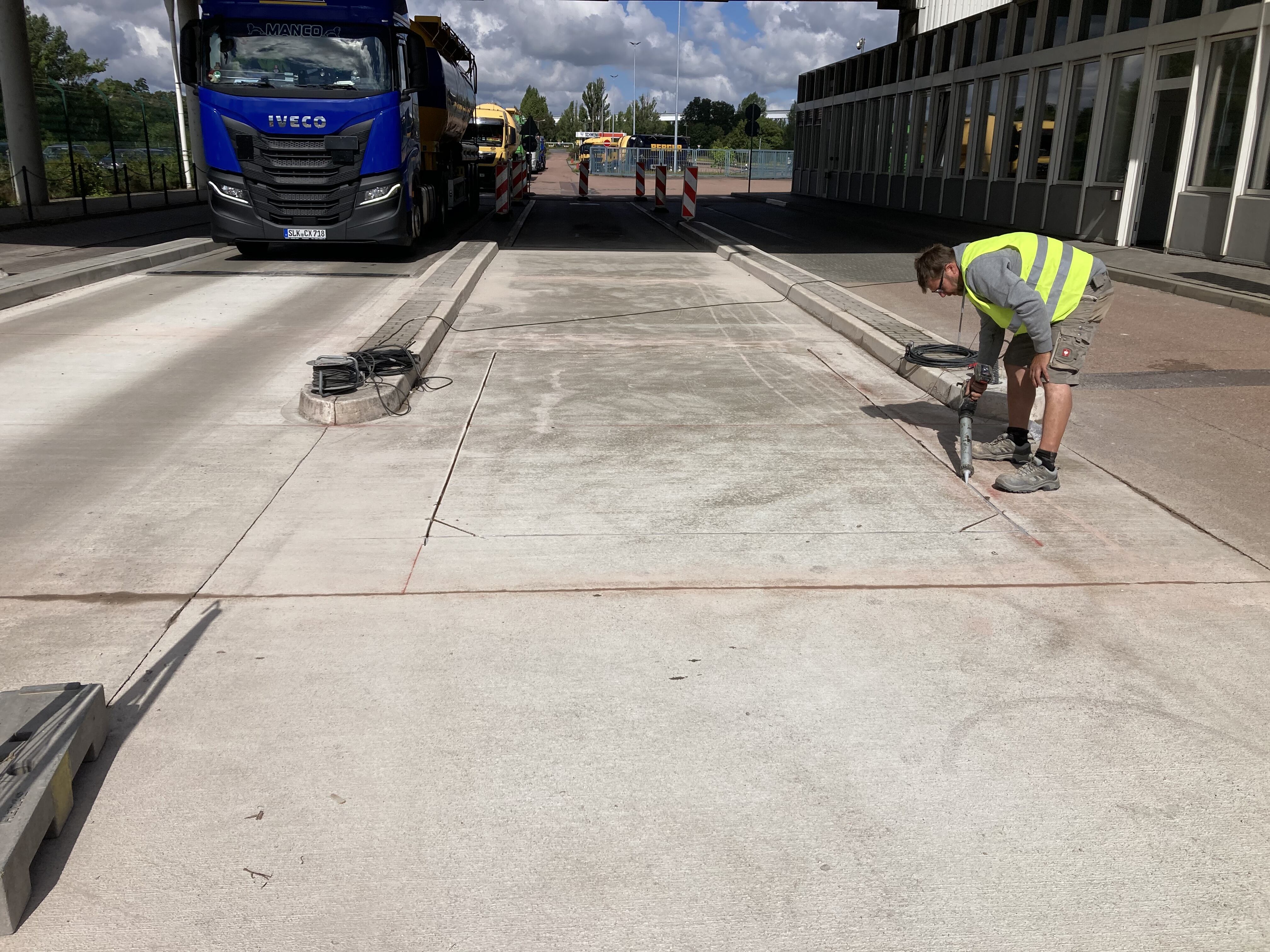
Image 9: Finished lane; filling of the embedded contact loops for the barrier
After completion of the concrete works, the electricians completed the necessary cables and contact loops for the electronics of the barrier system and carried out remaining works (grouting).